

In Sanatana Dharma, Lord Shiva is worshipped as the eternal truth—the force that transcends creation and destruction. Among the many sacred Shiva temples spread across India, the 12 Jyotirlingas are regarded as the most powerful manifestations of Shiva’s divine energy. These holy shrines are believed to mark the places where Shiva appeared as a Jyoti (infinite flame of light), symbolizing his boundless and formless existence.
Mentioned in revered scriptures such as the Shiva Purana, Jyotirlingas are not merely pilgrimage destinations but spiritual centers that guide devotees toward inner transformation, detachment, and liberation.
Meaning of Jyotirlinga in Hindu Tradition
The term Jyotirlinga combines two Sanskrit words:
- Jyoti – Divine light
- Linga – Sacred symbol of Shiva
Together, a Jyotirlinga represents Shiva as an endless cosmic light without origin or end. Unlike ordinary Shiva lingas installed through rituals, Jyotirlingas are believed to be self-manifested, making them spiritually supreme.
The 12 Jyotirlingas and Their Unique Significance
1. Somnath Jyotirlinga
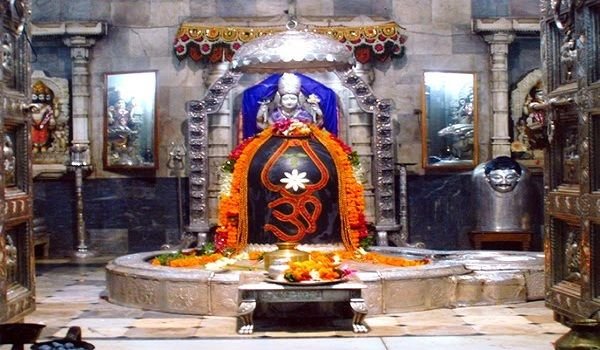
Somnath-Jyothirlinga
Located near the Arabian Sea, Somnath is considered the first Jyotirlinga. It symbolizes the eternal nature of Shiva and stands as a reminder that faith survives all destruction.
2. Mallikarjuna Jyotirlinga
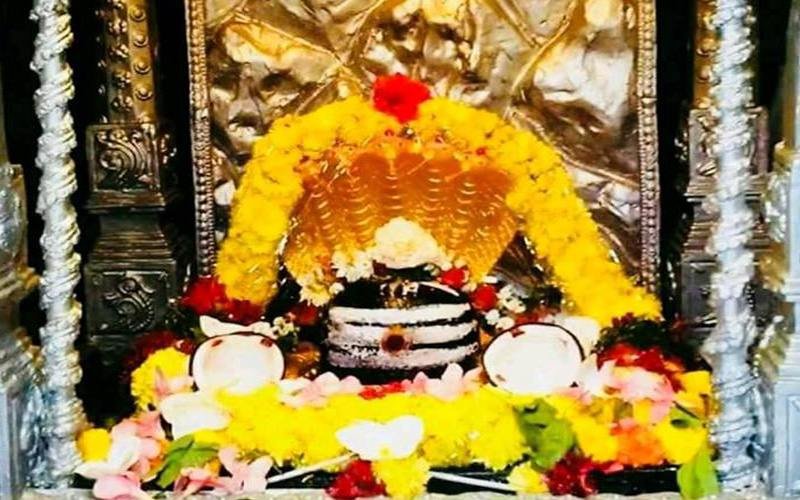
srisailam-mallikarjuna-jyotirlinga
Situated in the Nallamala forests, this temple uniquely represents the union of Shiva and Shakti, making it spiritually significant for family harmony and devotion.
3. Mahakaleshwar Jyotirlinga
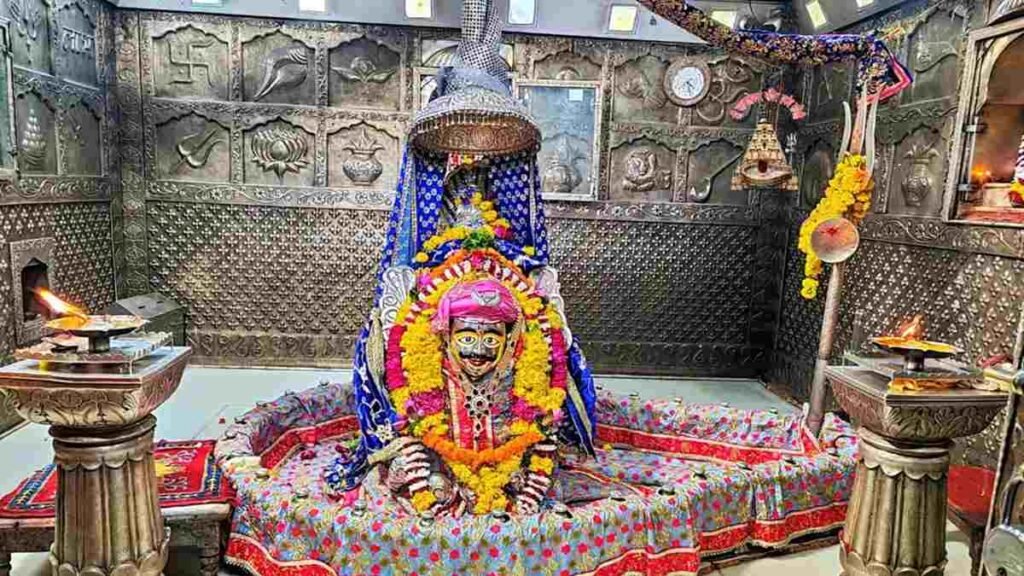
Mahakaleshwar-Jyotirlinga
Mahakaleshwar is the only south-facing Jyotirlinga, symbolizing Shiva as the controller of time (Mahakaal). The Bhasma Aarti here highlights the impermanence of life.
4. Omkareshwar Jyotirlinga
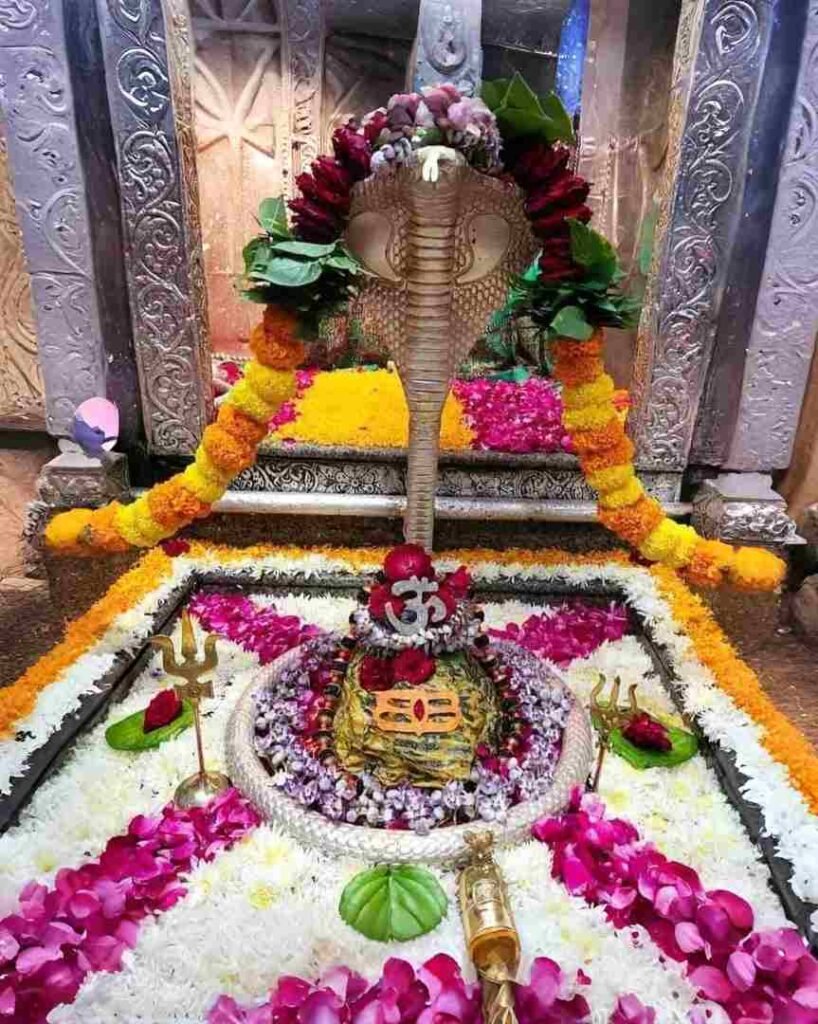
Omkareshwar-Jyotirlinga
Located on an island shaped like the sacred “Om,” this Jyotirlinga reflects cosmic balance and spiritual unity.
5. Kedarnath Jyotirlinga
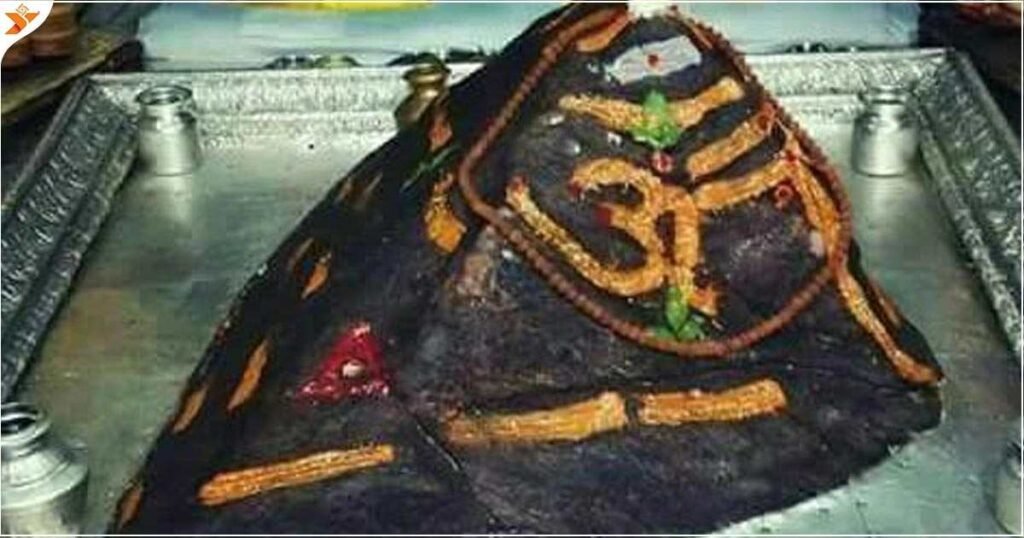
Kedarnath-Jyotirlinga.
High in the Himalayas, Kedarnath symbolizes penance, surrender, and divine protection. It is closely associated with the Pandavas from the Mahabharata.
6. Bhimashankar Jyotirlinga
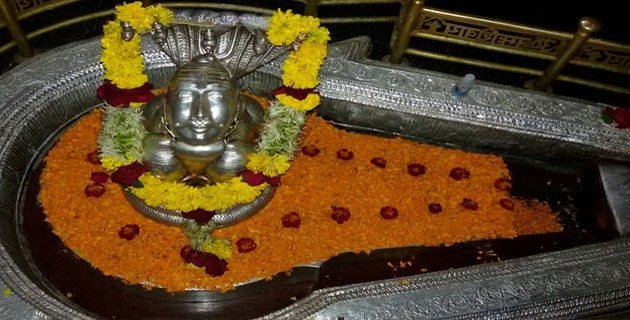
Bhimashankar-Jyotirlinga
Linked to Shiva’s victory over the demon Bhima, this shrine represents protection of righteousness and strength through devotion.
7. Kashi Vishwanath Jyotirlinga
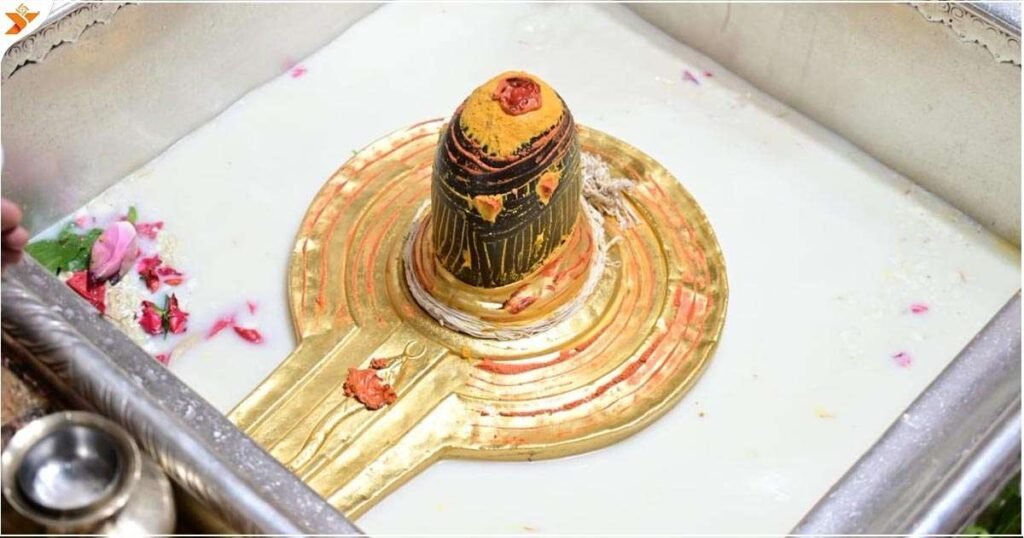
Kashi-Vishwanath-Jyotirlinga
Believed to grant moksha, Kashi Vishwanath holds immense spiritual importance. Devotees believe Shiva himself liberates souls here.
8. Trimbakeshwar Jyotirlinga
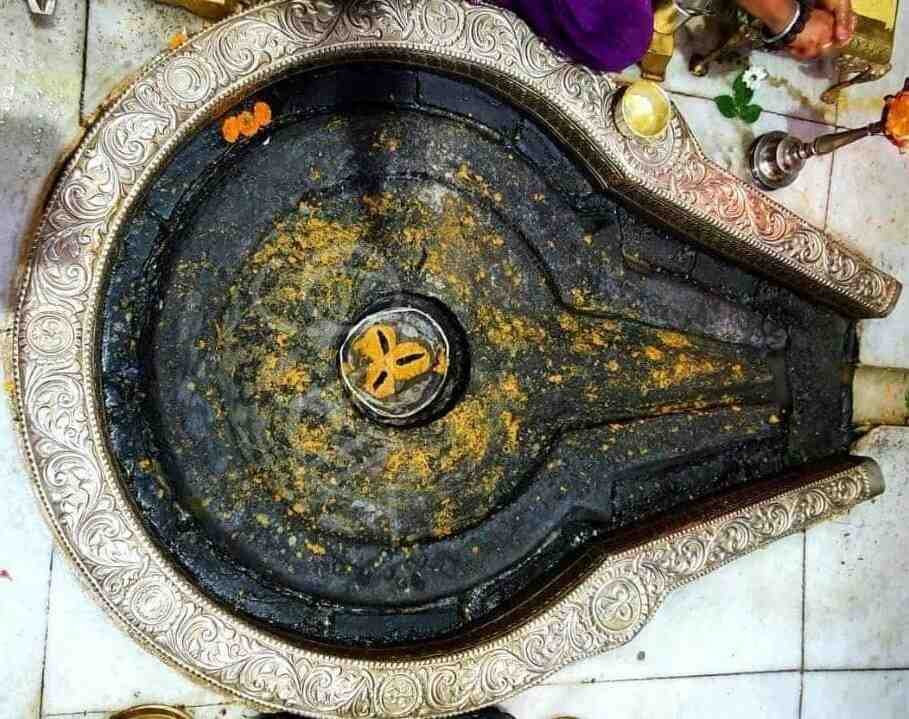
Trimbakeshwar-Jyotirlinga
This Jyotirlinga houses a rare three-faced linga representing Brahma, Vishnu, and Shiva and is the source of the Godavari River.
9. Vaidyanath Jyotirlinga
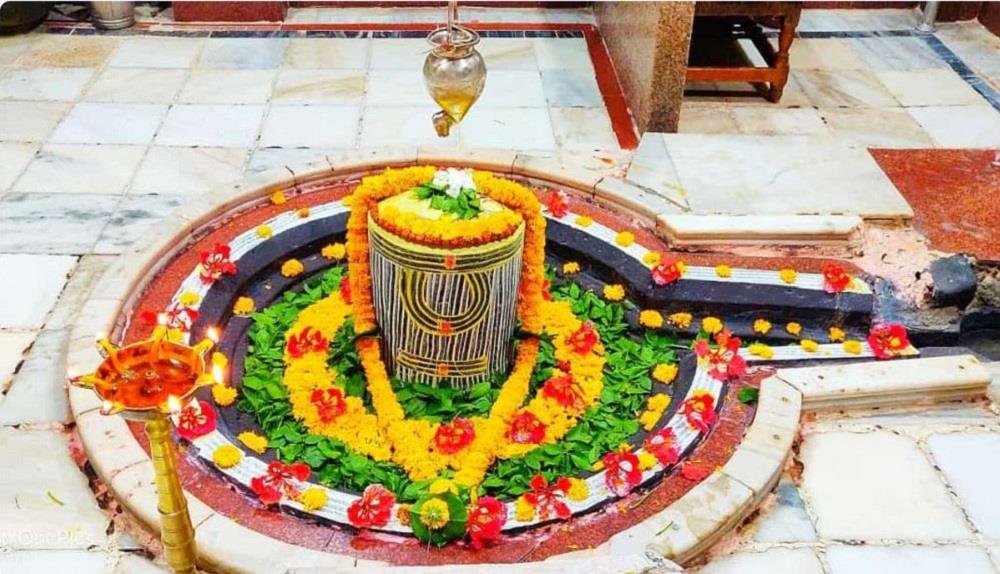
Vaidyanath-Jyotirlinga
Known as the Divine Healer, this shrine is believed to cure physical and mental ailments through sincere prayer.
10. Nageshwar Jyotirlinga
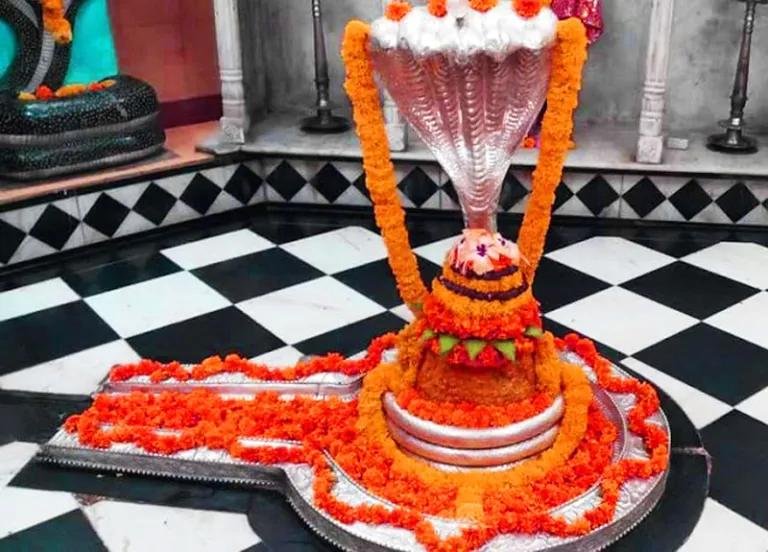
Nageshwar-Jyotirlinga
Nageshwar represents Shiva as the protector from fear, poison, and negative influences.
11. Ramanathaswamy Jyotirlinga
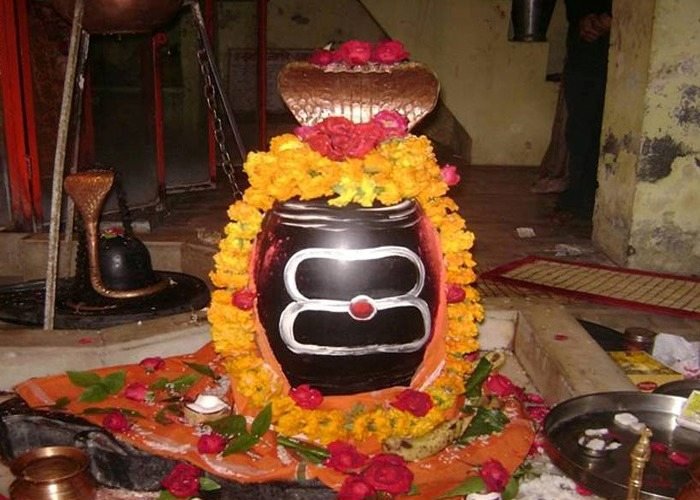
Ramanathaswamy-Jyotirlinga.
Worshipped by Lord Rama, this Jyotirlinga emphasizes repentance, purity, and devotion.
12. Grishneshwar Jyotirlinga
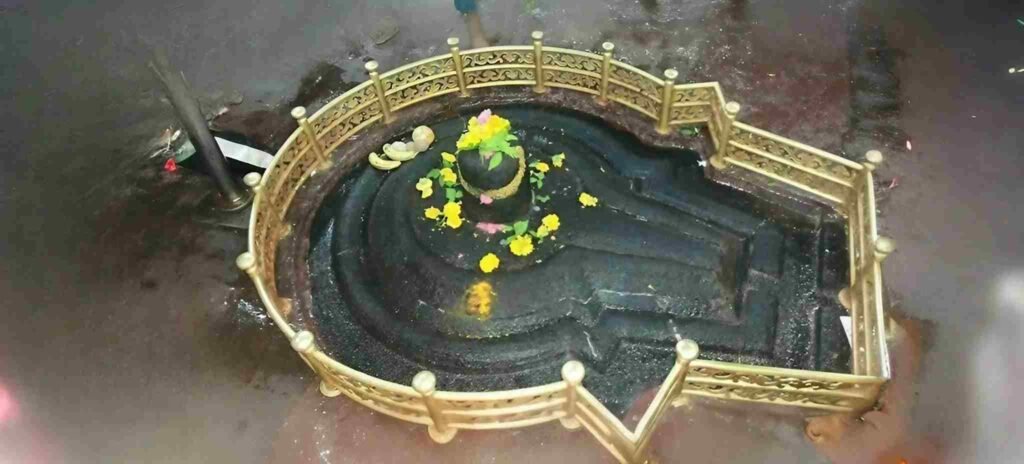
Grishneshwar-Jyotirlinga
The final Jyotirlinga teaches compassion and humility, highlighting that devotion matters more than status.
Locations of the 12 Jyotirlingas (Quick Overview)
Jyotirlinga |
State |
| Somnath | Gujarat |
| Mallikarjuna | Andhra Pradesh |
| Mahakaleshwar | Madhya Pradesh |
| Omkareshwar | Madhya Pradesh |
| Kedarnath | Uttarakhand |
| Bhimashankar | Maharashtra |
| Kashi Vishwanath | Uttar Pradesh |
| Trimbakeshwar | Maharashtra |
| Vaidyanath | Jharkhand |
| Nageshwar | Gujarat |
| Ramanathaswamy | Tamil Nadu |
| Grishneshwar | Maharashtra |
Why Are the Jyotirlingas Spiritually Important?
According to belief, Jyotirlinga darshan:
- Removes accumulated karmas
- Brings inner peace and clarity
- Strengthens spiritual discipline
- Guides devotees toward liberation
Each shrine represents a distinct aspect of Shiva, making the pilgrimage a holistic spiritual journey.
Frequently Asked Questions
How many Jyotirlingas are there?
There are 12 Jyotirlingas in India.
Which Jyotirlinga is the most powerful?
All Jyotirlingas are equally powerful, though Kashi Vishwanath is believed to grant moksha.
Can Jyotirlingas be visited in one trip?
Due to geographical spread, devotees usually visit them over multiple journeys.
Is Maha Shivaratri the best time to visit?
Yes, Maha Shivaratri is considered the most auspicious day for Jyotirlinga darshan.
Conclusion
The 12 Jyotirlingas of Lord Shiva are timeless centers of faith that connect devotees to Shiva’s infinite cosmic presence. Visiting or even remembering these sacred shrines with devotion is believed to purify the soul and awaken spiritual consciousness. A Jyotirlinga pilgrimage is not just travel—it is a sacred journey inward.
0 Comments