 Nirmala
Hidden amid the rugged hills of the Nallamala forest range lies Yaganti Temple—one of Andhra Pradesh’s most unusual and spiritually charged pilgrimage sites. Revered for its ever-growing stone Nandi, ancient cave sanctuaries, and tranquil natural setting, Yaganti is a destination where devotion meets mystery.
Dedicated to Lord Shiva as Sri Uma Maheswara Swamy, the temple attracts devotees, historians, and curious travelers who seek more than routine darshan. Yaganti offers silence, legends, and a sense of wonder rarely found in crowded religious centers.
yaganti-temple-inside
Origins and Historical Importance
Yaganti Temple is believed to have existed since the early medieval period, with inscriptions and architectural features pointing to the 5th or 6th century. Significant enhancements were later carried out during the Vijayanagara era, shaping the temple into its present form.
According to tradition, Sage Agastya chose this region for intense meditation. Though the site was initially intended for Vishnu worship, divine circumstances led to the consecration of Lord Shiva, establishing Yaganti as a prominent Shaivite center. This blend of Shaivite and Vaishnavite influences gives the temple its unique spiritual identity.
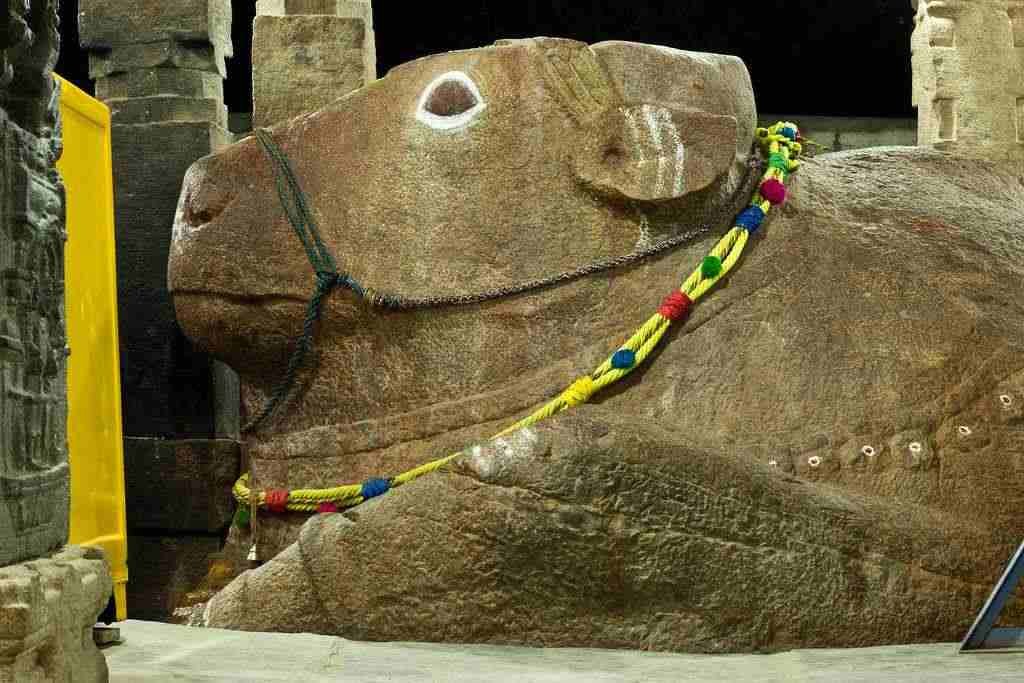
At the heart of Yaganti’s fame stands Basavayya, a massive Nandi statue carved from a single stone. Unlike most Nandi idols placed directly before a sanctum, this one sits slightly apart, commanding attention.
Sri_Yaganti_Uma_Maheswara_Temple
Why Is Yaganti Nandi So Special?
- The Nandi is believed to increase in size gradually over the years
- Old iron restraints placed around the statue centuries ago are now visibly tight
- Traditional coverings once used no longer fit the idol properly
Yaganti Nandi
Faith vs Science
While scientists propose explanations such as mineral expansion and environmental factors, none fully explain the consistency of observed growth. For devotees, Basavayya represents:
- The dynamic presence of Shiva
- A symbol of protection for the region
- Proof that divine energy continues to manifest in nature
This enduring mystery makes Yaganti one of India’s rare “living temples.”
Architecture Blended with Nature
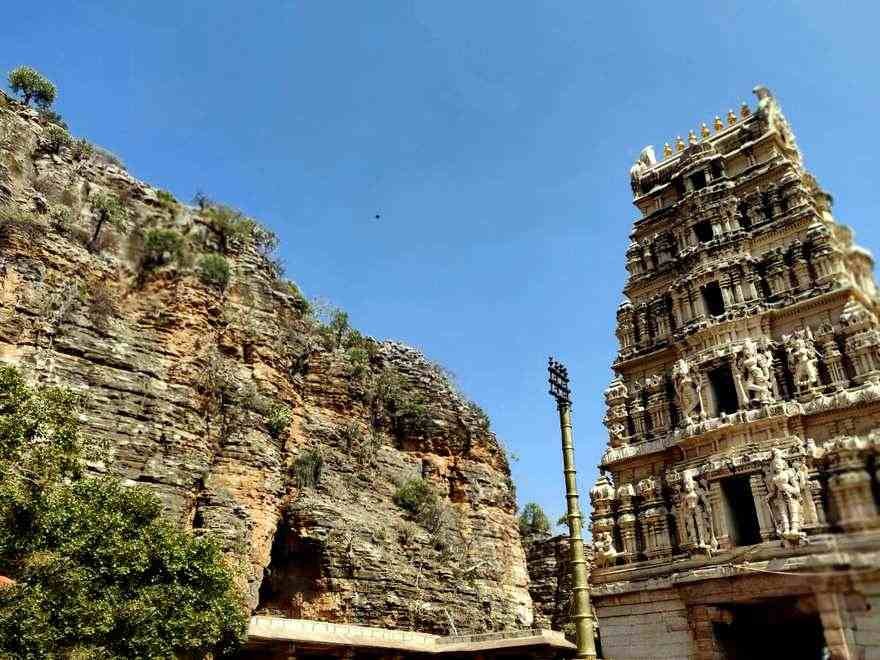
Yaganti Temple
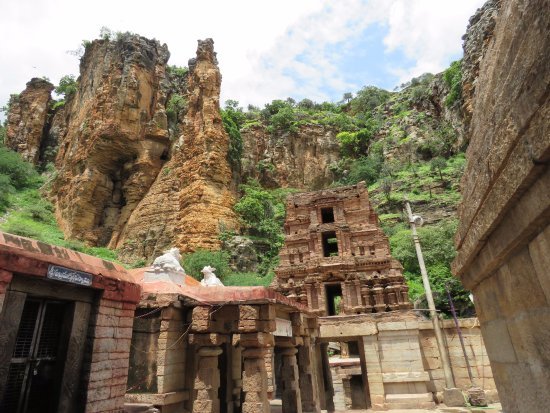
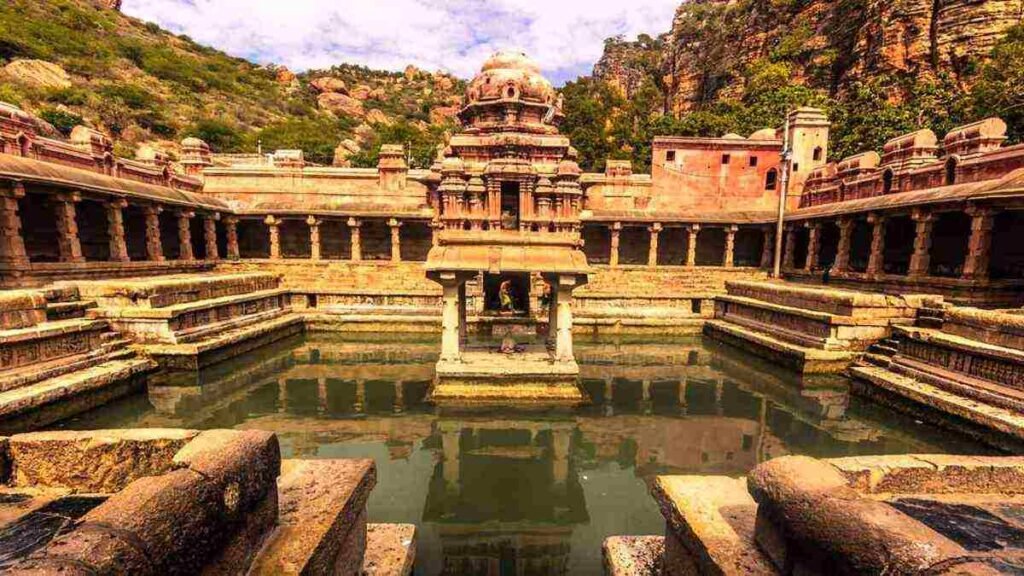
Yaganti Temple does not dominate its surroundings—it merges with them. Built using local stone, the structure harmonizes with the surrounding hills, caves, and water bodies.
Key architectural elements include:
- A simple yet powerful garbhagriha
- Stone-pillared mandapams
- Sculptures reflecting Shaiva philosophy
- Natural rock formations integrated into worship spaces
Sacred Caves of Yaganti
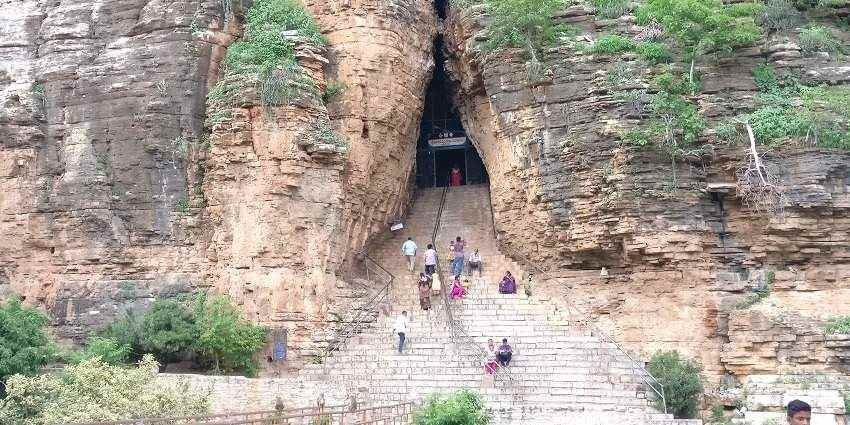
Venkateshwara Cave
One of Yaganti’s defining features is its network of spiritually significant caves, each associated with saints and legends.
Major Caves to Visit
- Agastya Cave – Associated with deep penance and meditation
- Veera Brahmam Cave – Linked to prophetic traditions
- Venkateswara Cave – Highlights the temple’s Vaishnavite roots
These caves add depth to the pilgrimage, encouraging reflection and silence.
Yaganti Temple Timings & Daily Rituals
Knowing the temple schedule helps devotees plan darshan efficiently.
Temple Opening Hours
- Morning: 6:00 AM to 1:00 PM
- Evening: 3:00 PM to 8:00 PM
Temple remains closed from 1:00 PM to 3:00 PM.
Daily Pooja Schedule
- Suprabhatha Seva: 6:00 AM
- Abhishekam: 6:30 AM – 7:30 AM
- Alankarana & Maha Harathi: 11:00 AM – 12:00 PM
- Evening Harathi: 6:30 PM
Early mornings are recommended for a calm and less crowded darshan.
Best Season to Visit Yaganti Temple
- October to February: Ideal climate and pleasant surroundings
- March to May: Hot weather; mornings are best
- Monsoon: Scenic but cave paths may be slippery
Important Festivals
- Maha Shivaratri – Major celebrations and heavy footfall
- Karthika Masam – Highly auspicious month for Shiva worship
How to Reach Yaganti
- Nearest City: Kurnool (approx. 90 km)
- Road: Buses and taxis from Kurnool
- Rail: Kurnool City Railway Station
- Air: Hyderabad Airport (approx. 350 km)
Accommodation Options
- Basic guest houses near the temple
- Budget and mid-range hotels in Kurnool
- Suitable for day trips or overnight stays
Why Yaganti Temple Deserves a Visit
- Home to India’s most talked-about growing stone Nandi
- Peaceful environment away from urban chaos
- Rare combination of temple, caves, and forest landscape
- Ideal for devotees, photographers, and spiritual explorers
Frequently Asked Questions
Does the Nandi at Yaganti really grow?
Many devotees believe so, supported by visible physical changes, though no final scientific explanation exists.
How long does a complete visit take?
About 2 to 3 hours, including cave exploration.
Is Yaganti suitable for elderly visitors?
Yes, though assistance may be needed while visiting caves.
Is photography permitted?
Allowed in open areas, restricted near the sanctum.
Final Thoughts
Yaganti Temple is not just a place of worship—it is an experience shaped by mystery, silence, and natural beauty. The growing Nandi, ancient caves, and spiritual calm make it one of Andhra Pradesh’s most remarkable pilgrimage destinations. A visit to Yaganti leaves devotees with questions, peace, and a deep sense of connection.