 Nirmala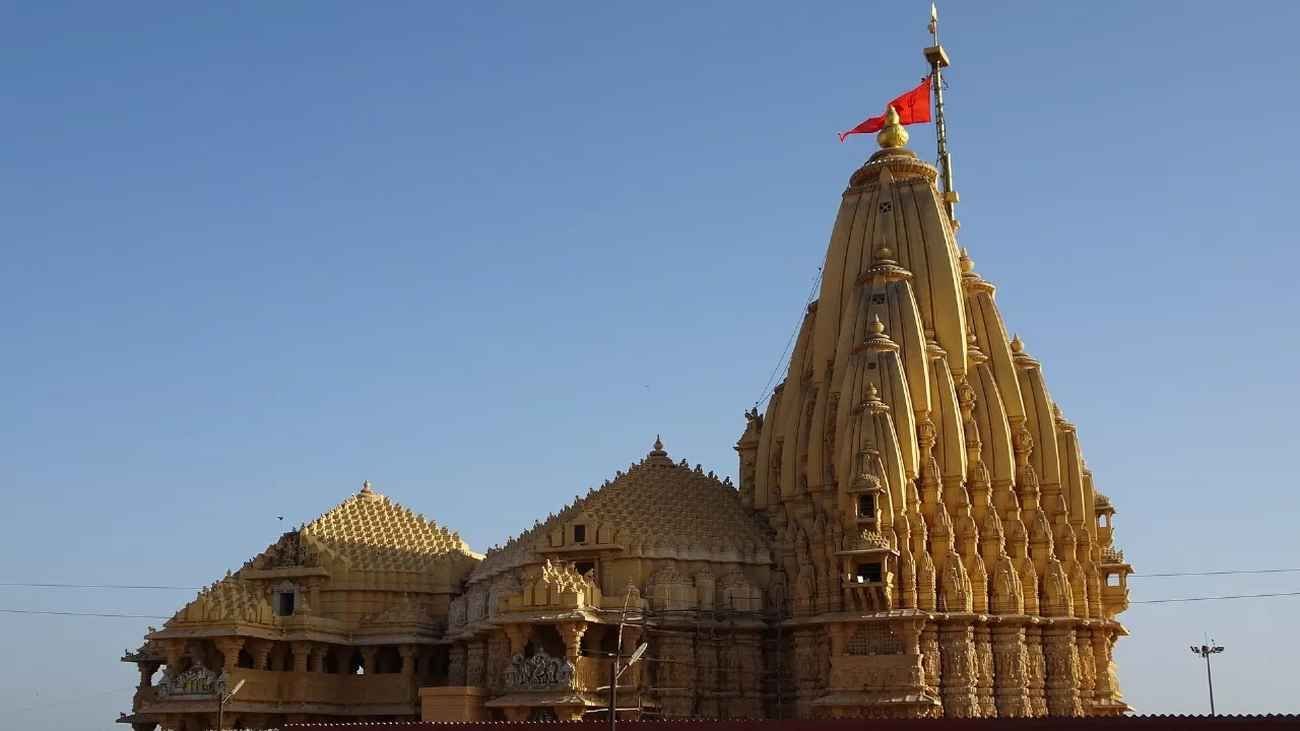
Standing on the edge of the Arabian Sea, Somnath Jyotirlinga Temple is one of India’s most powerful spiritual landmarks. Known as the first Jyotirlinga of Lord Shiva, Somnath represents unbreakable faith, divine light, and spiritual continuity.
For centuries, this sacred shrine has witnessed destruction and rebirth, yet its spiritual significance has never diminished. Today, Somnath continues to inspire millions of devotees who visit seeking peace, strength, and liberation.
Spiritual Meaning of Somnath Jyotirlinga
In Shaivite tradition, Jyotirlingas symbolize Lord Shiva’s infinite and formless presence. Somnath is revered as the Adi Jyotirlinga, the very first appearance of this divine light on Earth.
The name Somnath means “Lord of the Moon”, reflecting a deep cosmic connection between time, celestial bodies, and divine energy. Devotees believe that worship at Somnath helps cleanse past karma and restore balance in life.
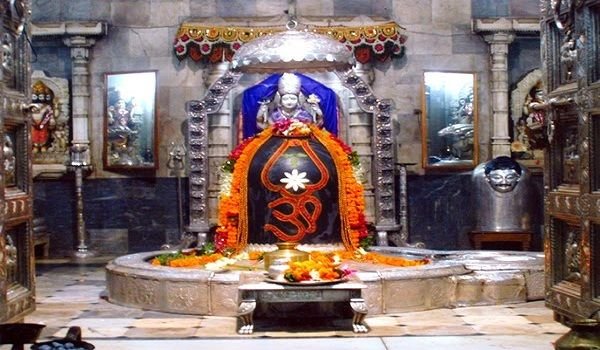
Somnath Jyotirlinga
Mythological Origins of Somnath Temple
According to ancient legends, Chandra Deva (the Moon God) lost his brilliance due to a curse. In despair, he performed intense penance at this sacred coastal site, praying to Lord Shiva.
Moved by his devotion, Shiva forgave Chandra and restored his radiance. In gratitude, Chandra established the Somnath shrine, making it a sacred place associated with:
- Renewal and rebirth
- Relief from suffering
- Restoration of cosmic harmony
This legend is why Somnath is closely linked to healing, hope, and renewal.
Somnath Temple Through the Ages
Somnath’s history is both inspiring and extraordinary. Few temples in the world have endured such repeated destruction yet emerged stronger each time.
Key Historical Phases
- References found in ancient Hindu scriptures and classical texts
- Targeted multiple times due to its prominence and wealth
- Rebuilt repeatedly by devoted rulers and communities
- The present structure rebuilt in the 20th century, symbolizing spiritual revival
Somnath’s story is often described as the story of India’s enduring faith.
Architecture of the Present Somnath Temple
The current Somnath Temple is built in the Chalukya style of architecture, blending strength, symmetry, and elegance.
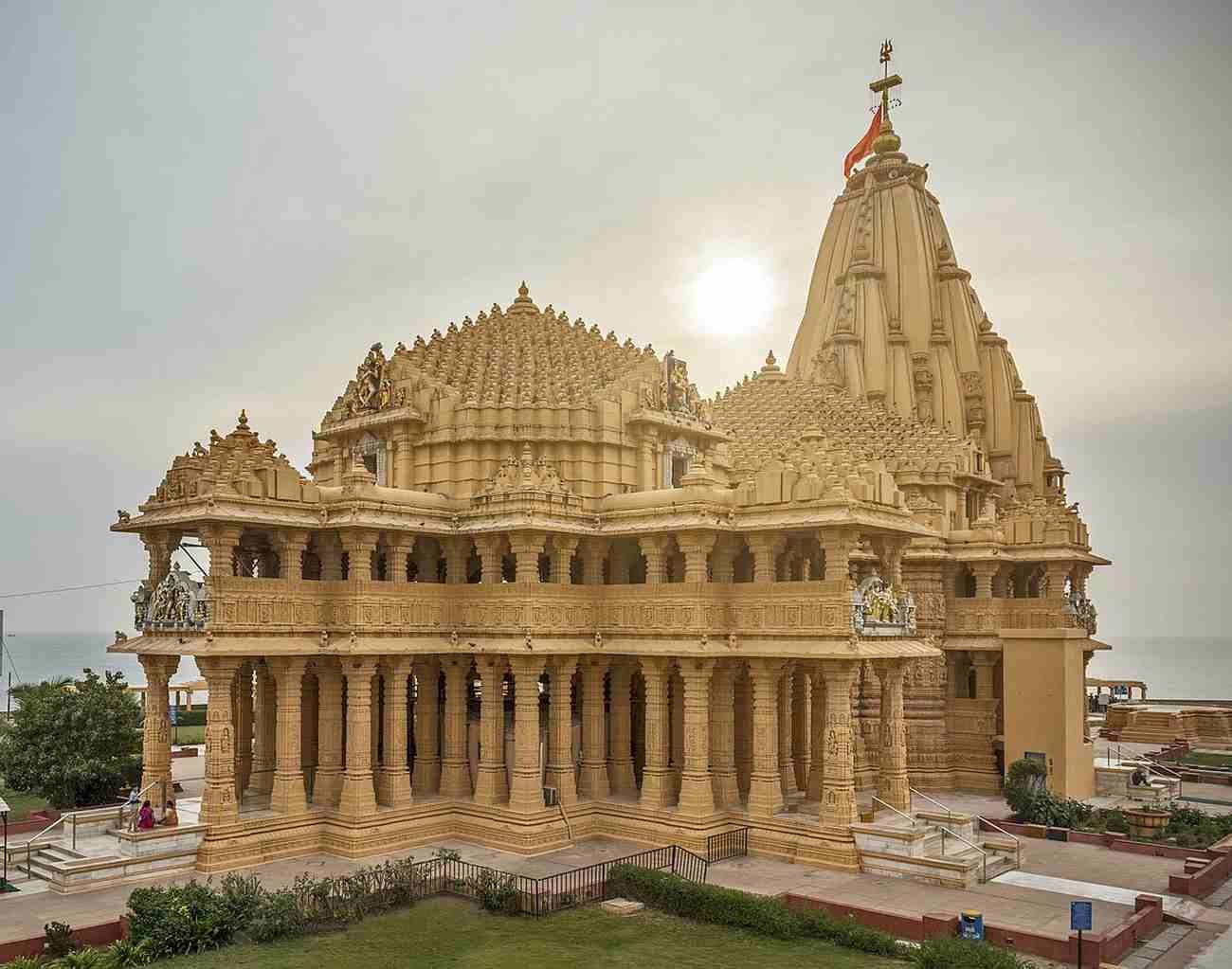
Somnath Temple Architecture
Architectural Features
- Towering shikhara rising nearly 50 meters
- Intricate stone carvings depicting Hindu mythology
- Spacious mandapams for rituals and gatherings
- A massive kalash crowning the temple, symbolizing prosperity
Facing the open sea, the temple’s architecture enhances the feeling of timelessness and divine presence.
The Sacred Arabian Sea Connection
One of Somnath’s most striking aspects is its coastal location. Many pilgrims take a ritual dip in the sea before darshan, believing it purifies the soul.
A popular belief holds that no landmass lies between Somnath and Antarctica, signifying an uninterrupted flow of spiritual energy from the temple into the ocean.
Darshan & Aarti Timings at Somnath
Darshan Timings
- 6:00 AM to 9:00 PM
- Darshan remains open throughout the day
Daily Aarti Schedule
- Morning Aarti: 7:00 AM
- Midday Aarti: 12:00 PM
- Evening Aarti: 7:00 PM
The evening aarti, accompanied by ocean winds and Vedic chants, is considered especially uplifting.
Somnath Light and Sound Experience
Every night, the Somnath temple complex hosts a light and sound show that narrates the temple’s journey—from ancient glory to repeated reconstruction. It offers visitors a deeper emotional connection to Somnath’s legacy and resilience.
Best Time to Visit Somnath
- October to March: Pleasant climate and ideal for pilgrimage
- April to June: Hot, but manageable during mornings and evenings
- Monsoon: Peaceful atmosphere with fewer crowds
Important Festivals
- Maha Shivaratri – Grand celebrations
- Shravan Month – Highly auspicious period
- Kartika Purnima – Special rituals and prayers
How to Reach Somnath Temple
- By Air: Nearest airport – Diu (approx. 85 km)
- By Rail: Somnath Railway Station
- By Road: Well connected to Dwarka, Veraval, Junagadh, and Ahmedabad
Location
Accommodation Options Near Somnath
- Temple trust guest houses for pilgrims
- Budget and mid-range hotels in Somnath and Veraval
- Premium seaside resorts for longer stays
Advance booking is recommended during festivals and peak seasons.
Why Every Devotee Should Visit Somnath
- First and most sacred Jyotirlinga of Lord Shiva
- Powerful blend of mythology, history, and coastal spirituality
- A symbol of faith that survives every challenge
- Ideal place for inner peace, reflection, and renewal
Frequently Asked Questions
Is Somnath one of the 12 Jyotirlingas?
Yes, Somnath is revered as the first Jyotirlinga of Lord Shiva.
Is photography allowed inside the temple?
Photography is restricted inside the main temple premises.
How long does darshan usually take?
Approximately 1–2 hours, depending on crowd levels.
Is the temple suitable for senior citizens?
Yes, with wide walkways and resting areas.
Final Reflection
Somnath Jyotirlinga Temple is more than a place of worship—it is a spiritual beacon that reflects the strength of devotion across centuries. With the endless sea in front and Shiva’s eternal presence within, Somnath offers a rare experience of peace, humility, and divine connection.
A journey to Somnath is not just a pilgrimage—it is a reminder that true faith is eternal.