 Nirmala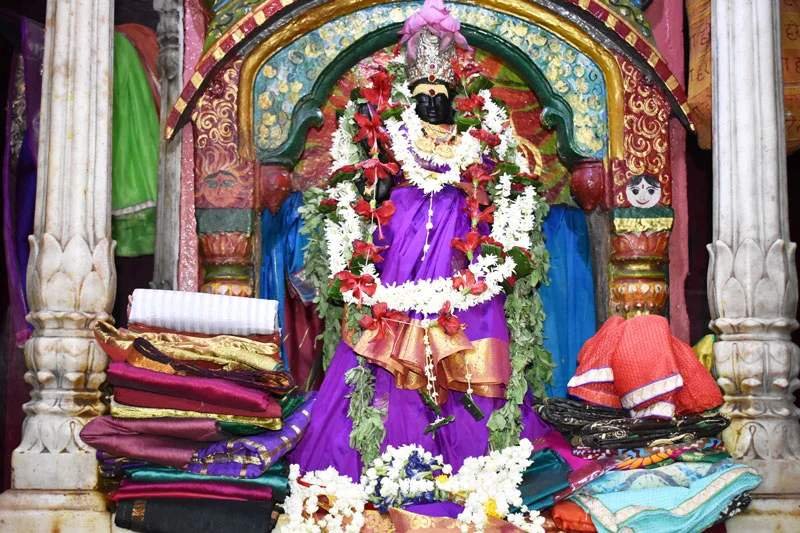
Sri Vishalakshi Devi Shaktipeeth stands as one of the most spiritually significant centers of Goddess worship in India. Situated in the sacred city of Varanasi, this ancient shrine represents the compassionate and all-seeing form of the Divine Mother. The name Vishalakshi means “she who has infinite vision,” symbolizing boundless awareness and protection.
While many Shakti Peethas rise on hilltops or remote landscapes, Vishalakshi Devi resides at the very heart of Kashi, reinforcing the belief that Shakti lives alongside daily life, guiding devotees through both worldly duties and spiritual liberation.
Mythological Origin of Vishalakshi Devi Shaktipeeth
According to Shakti Peetha traditions, this holy site emerged after the self-immolation of Goddess Sati. As Lord Shiva carried her body across the universe, Lord Vishnu released his Sudarshan Chakra to restore cosmic order. Wherever a body part of Sati fell, a Shakti Peetha manifested.
At this sacred location, the facial ornament (earring) or part of the face of Goddess Sati is believed to have fallen. Lord Shiva worshipped here as Kaal Bhairava acts as the eternal protector of the Peetha and the city of Kashi.
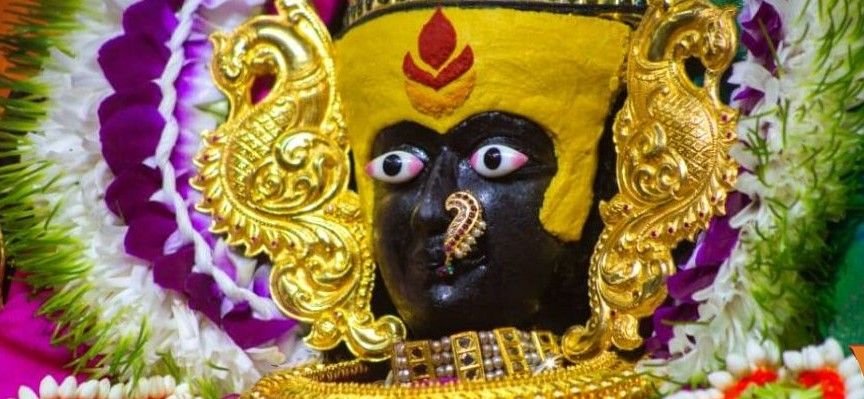
Sacred idol of Sri Vishalakshi Devi, the Shakti of Kashi, beautifully adorned with gold ornaments and flowers.
Spiritual Significance in Varanasi
Vishalakshi Devi is regarded as the presiding Shakti of Varanasi, complementing Lord Vishwanath. While Shiva represents pure consciousness, Vishalakshi embodies divine energy, nourishment, and protection.
Devotees believe that sincere worship here:
- Removes fear and mental unrest
- Enhances spiritual awareness
- Strengthens family harmony
- Assists seekers on the path to liberation
Importantly, many pilgrims consider darshan at Vishalakshi Devi incomplete without visiting Kashi Vishwanath, symbolizing the inseparable union of Shiva and Shakti.
Temple Architecture and Sacred Ambience
The temple’s architecture is simple yet powerful. Unlike large monumental temples, Vishalakshi Devi Shaktipeeth radiates spiritual intensity through its sanctum. The deity is adorned with flowers, ornaments, and sacred cloth, while oil lamps illuminate the inner chamber.
Despite being located in a busy part of Varanasi, the temple offers a calm and focused atmosphere that allows devotees to connect deeply with the Divine Mother.
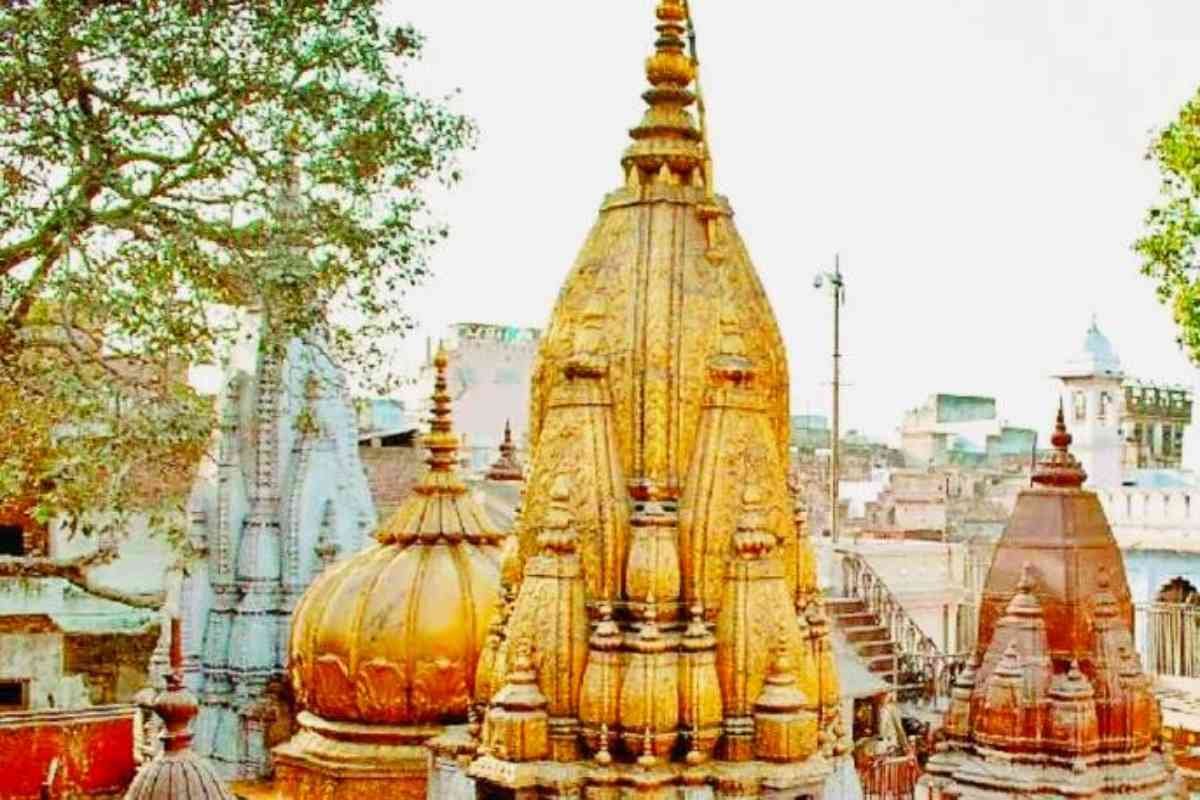
Golden shikharas of Sri Vishalakshi Devi Shaktipeeth shining in the spiritual heart of Varanasi.
Daily Rituals and Worship Practices
Daily worship follows traditional Vedic and Tantric customs. Priests perform morning and evening aartis, accompanied by mantra chanting and offerings of flowers, vermilion, bangles, and sarees.
Furthermore, Fridays hold special importance, as devotees believe prayers offered on this day bring swift blessings. During Navaratri, the temple witnesses elaborate rituals and heightened devotional energy.
Festivals Celebrated at Vishalakshi Devi Shaktipeeth
Navaratri remains the most significant festival celebrated here. During these nine sacred nights, the temple resonates with chants, devotional songs, and continuous worship. Devotees from across India gather to seek the blessings of the Divine Mother.
Other notable occasions include Durga Ashtami, Amavasya, and Shakti-focused lunar observances that honor feminine cosmic power.
Best Time to Visit the Temple
Although the temple remains open throughout the year, the ideal time to visit is between October and March when the weather in Varanasi is pleasant. Early mornings and evenings provide a peaceful atmosphere for darshan and meditation.
How to Reach Vishalakshi Devi Shaktipeeth
The temple is conveniently located within Varanasi:
- Close to Kashi Vishwanath Temple
- Easily accessible by auto-rickshaw and local transport
- Nearest railway station: Varanasi Junction
- Nearest airport: Lal Bahadur Shastri International Airport
Frequently Asked Questions (FAQs)
Is Sri Vishalakshi Devi Shaktipeeth one of the 51 Shakti Peethas?
Yes, Sri Vishalakshi Devi Temple is traditionally counted among the sacred Shakti Peethas associated with Goddess Sati.
Which body part of Goddess Sati fell here?
According to belief, the earring or facial feature of Goddess Sati fell at this location.
Who is the Bhairava associated with this Shaktipeeth?
Lord Shiva is worshipped here as Kaal Bhairava, the guardian deity of Kashi.
Can devotees visit Vishalakshi Devi Temple throughout the year?
Yes, the temple remains open year-round, although festivals like Navaratri attract larger crowds.
Is Vishalakshi Devi worship connected to Kashi Vishwanath Temple?
Yes, Vishalakshi Devi is considered the Shakti counterpart of Lord Vishwanath, and many pilgrims visit both temples as part of their spiritual journey.
What offerings are commonly made at the temple?
Devotees usually offer flowers, kumkum, bangles, sarees, coconuts, and oil lamps to the Goddess.
Final Reflection
Sri Vishalakshi Devi Shaktipeeth is more than a historic shrine—it is a living spiritual force within the sacred landscape of Varanasi. For devotees seeking clarity, protection, and divine grace, this temple offers a deeply transformative experience rooted in the eternal power of Shakti.