

Located atop the Nilachal Hill in Guwahati, Assam, Kamakhya Temple stands as one of the most powerful spiritual centers dedicated to the Divine Feminine. Revered as a prominent Shakti Peetha, this ancient shrine represents creation, fertility, and transformative energy. Unlike most temples that emphasize idol worship, Kamakhya Temple preserves a deeply symbolic and nature-centered form of devotion rooted in Tantric traditions.
Mythological Importance of Kamakhya Temple
According to Hindu mythology, Kamakhya Temple marks the place where the yoni (womb) of Goddess Sati fell after Lord Vishnu dismembered her body to calm Lord Shiva’s grief. Because of this belief, the temple symbolizes the source of life and cosmic energy. Over time, Kamakhya evolved into a major seat of Shakta and Tantric worship, attracting saints, sages, and spiritual seekers from across India.
Moreover, devotees regard the Goddess here as a living presence rather than a symbolic idol. This belief makes Kamakhya Temple spiritually intense and emotionally transformative for many pilgrims.
Unique Form of Worship
Unlike conventional Hindu temples, Kamakhya does not house a sculpted idol. Instead, the sanctum contains a naturally formed stone cleft shaped like a yoni, kept moist by an underground spring. Priests decorate the sacred space with flowers, red cloth, and sindoor, emphasizing fertility and feminine power.
Additionally, worship rituals here follow ancient Tantric practices. Offerings remain simple, and prayers focus on personal transformation, strength, and protection rather than material desires alone.
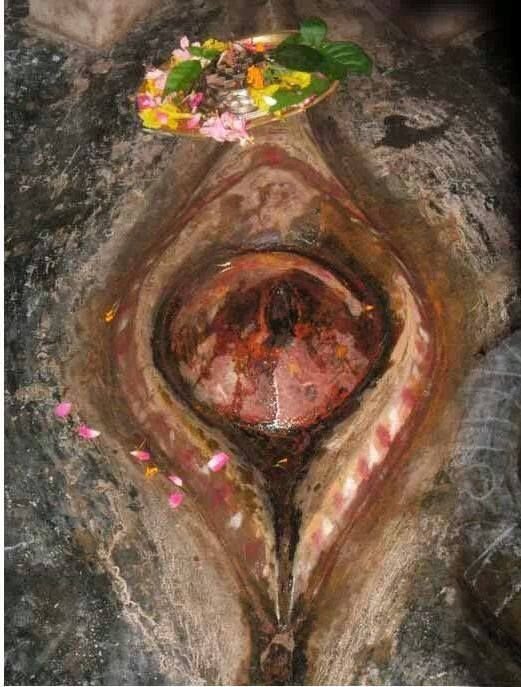
Sacred Yoni stone worshipped inside Kamakhya Temple sanctum in Assam
Ambubachi Mela – Honoring the Goddess’s Cycle
One of the most distinctive aspects of Kamakhya Temple is the Ambubachi Mela, held annually during the monsoon season. This festival marks the symbolic menstruation of Goddess Kamakhya. During this period, the temple remains closed for several days and then reopens with elaborate rituals.
Thousands of devotees, ascetics, and Tantric practitioners gather during Ambubachi, making it one of the largest spiritual congregations in eastern India. The festival highlights Kamakhya’s rare spiritual philosophy—honoring womanhood, fertility, and natural biological cycles without stigma.
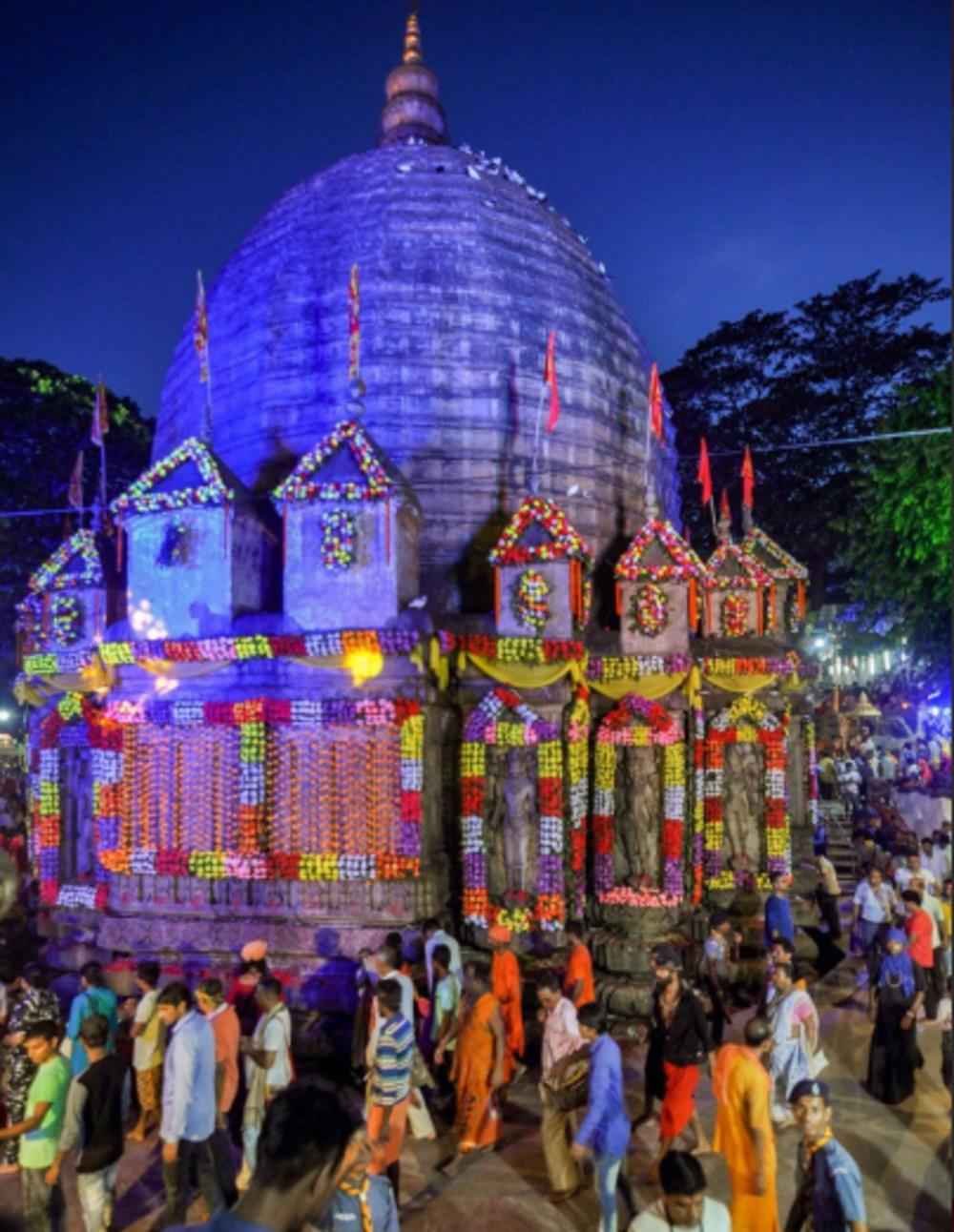
Kamakhya Temple illuminated at night during Ambubachi Mela with devotees gathered in Guwahati
Architecture and Temple Complex
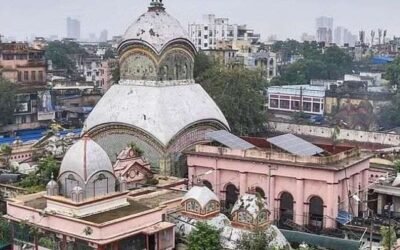
Architecturally, Kamakhya Temple reflects a fusion of indigenous Assamese design and medieval craftsmanship. The main sanctum features a beehive-shaped dome, while several smaller shrines surround it, each dedicated to different forms of the Goddess. Stone carvings, symbolic motifs, and age-old inscriptions enhance the temple’s mystical atmosphere.
Furthermore, the hilltop location offers serene views of the Brahmaputra River, adding calmness to the otherwise powerful spiritual environment.
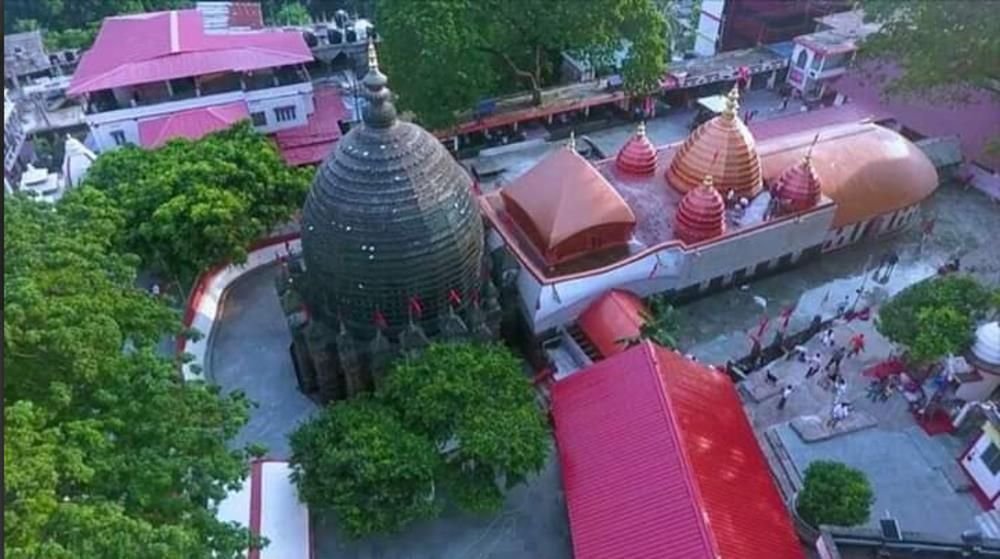
Aerial view of Kamakhya Temple complex on Nilachal Hill surrounded by greenery in Guwahati, Assam
Best Time to Visit Kamakhya Temple
The most comfortable time to visit Kamakhya Temple is between October and March, when the weather remains pleasant. Although Ambubachi Mela occurs in June and attracts massive crowds, many visitors prefer quieter months for peaceful darshan. Early morning visits often provide a more serene experience.
How to Reach Kamakhya Temple
Kamakhya Temple is well connected:
- By Air: Guwahati Airport is about 20 km away
- By Rail: Guwahati Railway Station connects major Indian cities
- By Road: Local buses, taxis, and autos run regularly to Nilachal Hill
Frequently Asked Questions (FAQs)
1. Why is Kamakhya Temple considered unique among Shakti temples?
Kamakhya Temple is unique because it worships the Goddess in the form of a yoni rather than a physical idol, symbolizing creation and feminine energy.
2. What is the spiritual meaning of the yoni at Kamakhya Temple?
The yoni represents the womb of the universe and signifies life, fertility, and cosmic power in Shakta philosophy.
3. Can anyone visit Kamakhya Temple?
Yes, people of all backgrounds and faiths can visit the temple, provided they follow temple rules and respect its traditions.
4. What is Ambubachi Mela, and why is it important?
Ambubachi Mela celebrates the Goddess’s symbolic menstrual cycle and honors natural fertility and womanhood.
5. Are Tantric practices still followed at Kamakhya Temple?
Yes, Kamakhya remains one of the few temples where ancient Tantric rituals continue under strict traditional guidelines.
6. What offerings are suitable at Kamakhya Temple?
Devotees typically offer flowers, fruits, red cloth, and sindoor. Simplicity is preferred over elaborate offerings.
7. Is photography allowed inside the temple?
Photography is generally restricted inside the sanctum to preserve the sanctity of the temple.
8. How much time does darshan usually take?
Darshan time varies depending on crowd levels and festival days. On regular days, it usually takes 1–2 hours.
Conclusion
Kamakhya Temple is far more than a pilgrimage destination—it is a spiritual experience rooted in nature, energy, and transformation. By honoring feminine power and natural cycles, the temple challenges conventional ideas of worship and spirituality. For devotees seeking inner strength, healing, or deeper spiritual understanding, Kamakhya Temple offers a truly profound journey.
0 Comments