 Thalla Lokesh
The road from Marrakech to Merzouga is not simply a transfer from one destination to another. It crosses the High Atlas Mountains, passes fortified villages and palm-filled valleys, and gradually opens into the dry landscapes surrounding the Sahara. The scenery changes considerably along the way, but so does the rhythm of the journey: mountain bends give way to open roads, busy towns become smaller settlements, and the first dunes of Erg Chebbi eventually appear near Merzouga.
The distance is approximately 560 kilometres, with around nine to ten hours of driving before sightseeing and meal stops. Rather than treating this as one long drive, travellers should plan the route around its main regions. The choice of overnight stop, the time spent exploring the valleys, and the arrival time at the desert camp can make a noticeable difference to the experience.
The route at a glance
The classic journey follows this general sequence:
Marrakech → Tizi n’Tichka Pass → Aït Ben Haddou → Ouarzazate → Skoura and the southern valleys → Dadès Valley → Todra Gorge and Tinghir → Erfoud and Rissani → Merzouga.
Each section offers something different. The High Atlas is about mountain scenery and winding roads; the area around Ouarzazate introduces earthen architecture and oasis landscapes; the Dadès and Todra regions offer dramatic rock formations; and the final stretch towards Merzouga opens onto the desert.
A private journey makes it easier to adjust the pace around these changes, particularly when a place deserves more than a quick roadside photograph.
1. Crossing the High Atlas from Marrakech
Leaving Marrakech, the road climbs towards the Tizi n’Tichka Pass, which reaches approximately 2,260 metres above sea level. The ascent includes winding bends, mountain villages and changing views across the slopes. Even when the weather is clear, this is a section to take steadily rather than rush through.
Conditions can vary with the season. Rain, fog or occasional winter snow may affect visibility and journey times, so a fixed arrival deadline is best avoided. Travellers prone to motion sickness may also prefer lighter meals before the climb and short breaks where stopping is safe.
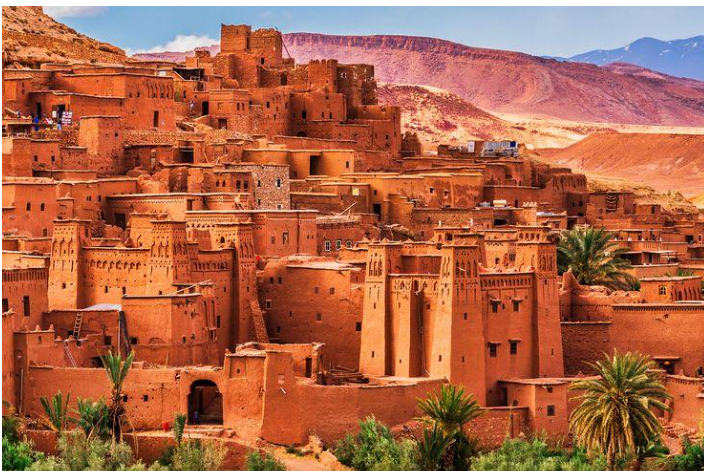
A useful first cultural stop is Aït Ben Haddou, the historic earthen settlement near Ouarzazate. Its fortified buildings and narrow passages reveal how architecture in the region developed in response to the climate and local materials. Allow enough time to walk through the settlement rather than viewing it only from the road.
The visit is more rewarding when travellers have time to notice the construction details and the relationship between the settlement and its surrounding landscape. Comfortable walking shoes, water and sun protection are useful, especially during warmer months.
2. Ouarzazate, Skoura and the southern valleys
Beyond the pass, the road descends towards Ouarzazate. The landscape becomes drier, and the route begins to reveal the architecture and agricultural patterns associated with Morocco’s southern valleys.
Ouarzazate is a practical place to pause for lunch, refuel and explore a local attraction if time permits. Continuing east, the road passes the Skoura palm grove and settlements associated with the region’s traditional kasbah architecture. Depending on the route and available time, travellers may also encounter sections of the Valley of Roses.
These places are not interchangeable stops. A kasbah visit offers a closer look at earthen building techniques and local history, while a drive through a palm grove reveals how cultivation and settlement are shaped by access to water. Travellers interested in photography or architecture may want to spend longer in this region instead of adding several brief stops.
Where should you spend the first night?
The two main choices are Ouarzazate and the Dadès Valley. The better option depends on what you want the following day to look like.
Overnight in Ouarzazate: This breaks the mountain crossing into a more manageable first day. It suits travellers who want time at Aït Ben Haddou, prefer to arrive at their accommodation earlier, or would rather not continue through several valleys after a long drive.
Overnight in the Dadès Valley: This takes the first day further east and places travellers closer to the Dadès and Todra landscapes. It can work well for a three-day journey, although the day from Marrakech will be longer, especially with sightseeing stops.
Neither option is automatically better. The important point is to choose according to the amount of time available and the places you genuinely want to visit—not simply the number of landmarks listed in an itinerary.
3. Exploring the Dadès Valley and Todra Gorge
East of Ouarzazate, the road passes through a landscape of kasbahs, cultivated valleys and rocky hills. The Dadès Valley is known for its changing rock formations and settlements set among agricultural land. Depending on the route, travellers may stop at a viewpoint, explore a short walking area or spend time in a village.
Further east, the Todra Gorge near Tinghir offers a different atmosphere. High rock walls rise on either side of the gorge, while the road and walking areas follow the narrow valley. It is worth allowing time to get out of the vehicle and experience the setting on foot, where conditions and access permit.
The two areas are best enjoyed without trying to fit every viewpoint into a single schedule. A short walk, a relaxed lunch or a conversation with a local host can provide more context than a series of hurried photo stops.
For travellers comparing route options, private Morocco tours can provide a useful starting point for understanding how different itineraries arrange the southern valleys and desert region. The specific route, overnight accommodation and included activities should still be checked before confirming a trip.
4. From Tinghir to Erfoud and Merzouga
After Tinghir, the route continues through increasingly arid terrain towards Erfoud and Rissani before reaching Merzouga. The landscape becomes more open, with settlements and cultivated areas appearing between long stretches of dry country.
Erfoud and Rissani are useful places to pause, depending on the day’s schedule. They also provide a chance to take care of practical needs before arriving at the dunes. Travellers should not assume that every service will be available immediately beside their desert accommodation, so it is sensible to confirm arrangements in advance.
Merzouga sits beside Erg Chebbi, the prominent dune field that many visitors associate with the Moroccan Sahara. The dunes are the destination, but the time of arrival matters. Reaching the area with daylight remaining gives travellers more flexibility to settle in, understand their camp arrangements and enjoy the changing colour of the sand.
Choosing a desert camp
Desert accommodation varies considerably. Some camps focus on simplicity and a close connection with the surrounding landscape; others offer more spacious tents, private bathrooms, carefully prepared meals and additional comforts. The word luxury alone does not explain what is actually provided.
Before booking, check the details that affect your stay:
- Access: Confirm whether the camp is reached by vehicle, a 4×4 transfer or another arranged method.
- Bathroom facilities: Ask whether the bathroom is private and whether hot water is available.
- Meals: Confirm which meals are included and whether dietary requirements can be accommodated.
- Transfers and activities: Check whether dune transfers, camel rides or other experiences are included or priced separately.
- Location: Ask how far the camp is from the village and what the arrival arrangements involve.
These details help set realistic expectations without assuming that all camps offer the same facilities. Travellers who value privacy may also want to ask about tent placement, shared areas and the expected level of activity around the camp.
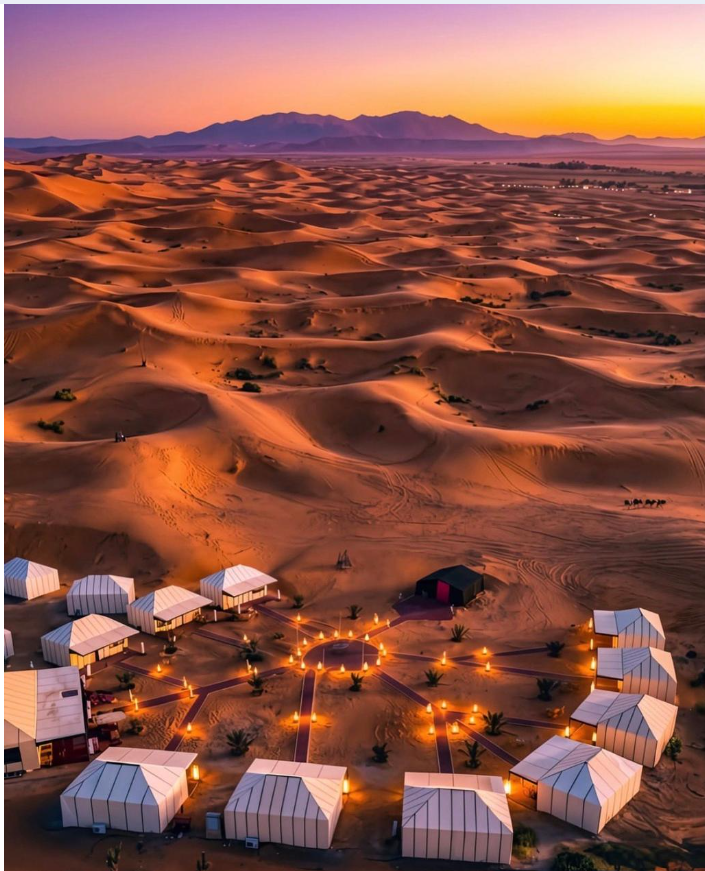
5. Allow time to experience Merzouga
The desert should not become a late arrival followed by an immediate departure the next morning. Even one night gives travellers an opportunity to notice how the landscape changes as the light fades and the temperature drops after sunset.
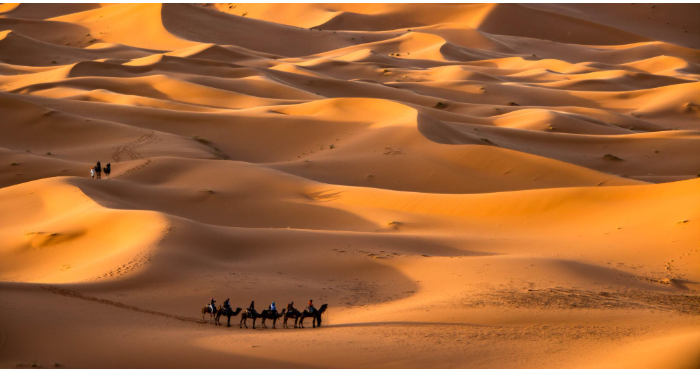
A camel excursion may be part of the experience, but it is not the only way to appreciate the dunes. Travellers can also enjoy the views from camp, walk in designated areas with suitable guidance, or simply take time away from the road. Activities should be chosen according to personal preference, mobility and weather conditions.
Desert temperatures can vary sharply between daytime and night. Lightweight clothing, sun protection and a warmer layer for the evening are useful. Water should remain accessible, and travellers should follow local guidance about where it is safe to walk, especially around dunes and vehicle routes.
For photography, the light shortly after sunrise and before sunset can be particularly appealing. However, the schedule should be based on the actual arrangements and season rather than assuming that every activity will happen at a fixed time.
6. Returning to Marrakech or continuing to Fes
After Merzouga, travellers need to decide whether to return towards Marrakech or continue across Morocco towards Fes or another destination. This decision affects the overall route and the amount of time spent retracing roads already travelled.
A return to Marrakech is straightforward to plan, but it involves covering much of the southern route again. An onward journey towards Fes can create a more varied itinerary, depending on the traveller’s wider plans and available days. It should not be treated as a small extension: the route, driving time and overnight arrangements need to be considered separately.
Travellers with limited time should avoid adding a second major destination simply because it appears close on a map. Road distances in Morocco can be misleading when mountain crossings, slower sections and sightseeing are involved.
Travellers planning a longer holiday can compare a 9-day Morocco tour from Marrakech with other route options, checking the overnight stops, included experiences and time allocated to each destination before deciding whether it suits their plans.
Practical checklist before departure
A few straightforward checks can prevent avoidable complications on this route.
- Confirm the daily route: Know the intended overnight stop and the main places planned for each day.
- Check seasonal conditions: Mountain weather can affect the crossing, so leave room for delays.
- Clarify what is included: Confirm accommodation, meals, entrance fees, transfers and activities rather than assuming they are covered.
- Keep essentials accessible: Carry water, sun protection, medication you normally need, a phone charger and a warmer layer for the desert evening.
- Discuss walking requirements: Tell the organiser in advance if anyone in the group has mobility needs or prefers shorter walks.
- Keep the schedule realistic: Agree on the priorities for the day while leaving some flexibility for road conditions and worthwhile stops.
Travellers comparing operators should also ask who will lead the journey, what type of vehicle is planned, and how changes to the schedule are handled. Clear answers are more useful than a long list of attractions without practical detail.
Planning Your Private Morocco Journey
Every traveller has different priorities, whether that means spending more time in the southern valleys, choosing a comfortable desert camp or making the most of a limited travel schedule. Before confirming a private Morocco tour, discuss your preferred pace, overnight stops and included experiences with your tour organiser. A little planning beforehand can help create a journey that suits your interests without making each day feel rushed.
Frequently asked questions
How far is Merzouga from Marrakech?
The road journey is approximately 560 kilometres. Driving alone generally takes around nine to ten hours, before meal breaks, sightseeing or other stops. Actual times vary with road and weather conditions.
Can I travel from Marrakech to Merzouga in one day?
It is possible to cover the distance in a long driving day, but doing so leaves little time to explore the route. Splitting the journey over multiple days is usually a more practical choice for travellers who want to see the valleys and gorges along the way.
Where is the best place to spend the first night?
Ouarzazate suits travellers who want a shorter first day. The Dadès Valley is further along the route and can work well for those who want to reach the gorges earlier on the following day.
Is the Tizi n’Tichka road difficult?
The pass is a winding mountain road with significant changes in elevation. Drivers should allow enough time, adapt to conditions and check the weather before travelling, particularly during winter.
Do I need a 4×4 to reach Merzouga?
A regular vehicle can generally reach Merzouga village by road. Access to a particular desert camp may require a separate transfer, so confirm the arrangements with the accommodation or tour organiser.
What should I bring for a night in the desert?
Bring sun protection, comfortable walking shoes, water, and layers for cooler evening or early-morning temperatures. Check with the camp about luggage limits and any items it supplies.
How can travellers avoid rushing through Morocco?
Choose a realistic route before adding extra destinations. Decide which places matter most, allow time for the road between them, and avoid filling every day with stops. A well-paced journey usually offers more opportunity to appreciate the places along the way.
A journey shaped by the route
The journey from Marrakech to Merzouga brings together several different landscapes rather than a single uninterrupted desert scene. The High Atlas crossing, earthen settlements, southern valleys and open country around Erg Chebbi each deserve their own place in the itinerary.
The most useful plan is one that gives these transitions enough time. With a realistic overnight stop, clear camp arrangements and room for the unexpected, travellers can experience the route as a journey through southern Morocco—not simply a long drive to the dunes.
For travellers comparing arrangements, the best tours from Marrakech can be reviewed alongside the intended route, accommodation details and inclusions before a final decision is made.