

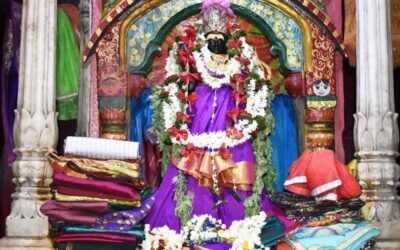
The Shakti Peetha Devi Temples represent the most powerful shrines of Goddess worship in Hindu tradition. These sacred sites are associated with Adi Shakti, the primordial feminine energy believed to be the source of creation, preservation, and transformation. Spread across India and the Indian subcontinent, Shakti Peethas symbolize devotion, cosmic balance, and spiritual protection.
According to ancient scriptures, there are 51 Shakti Peethas, each linked to a specific body part of Goddess Sati and protected by a form of Lord Bhairava, the fierce manifestation of Lord Shiva. Visiting these temples is considered highly auspicious and spiritually transformative.
Mythological Origin of Shakti Peethas
The origin of Shakti Peethas is rooted in the legend of Goddess Sati and Lord Shiva. When Sati sacrificed herself during Daksha’s yajna, a grief-stricken Shiva carried her body across the universe. To restore balance, Lord Vishnu used his Sudarshana Chakra to divide Sati’s body, and the places where her body parts fell became known as Shakti Peethas.
Each Peetha is therefore not just a temple, but a site infused with intense divine energy, where the Goddess is worshipped in different forms.
Spiritual Importance of Shakti Peetha Worship
Shakti Peethas emphasize the concept that Shakti (energy) is inseparable from Shiva (consciousness). While the Goddess is worshipped as the primary deity, Bhairava plays a vital role as the guardian and spiritual anchor of each Peetha.
Devotees believe that praying at Shakti Peethas:
- Removes negative karmic influences
- Grants protection and strength
- Enhances spiritual awareness
- Brings prosperity, fertility, and inner peace
Complete List of 51 Shakti Peethas (With Location, Body Part & Bhairava)
Below is a concise yet complete listing of all 51 Shakti Peethas:
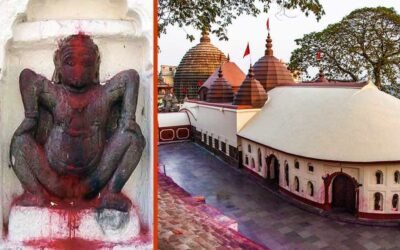
- Kamakya – Assam – Yoni – Umananda
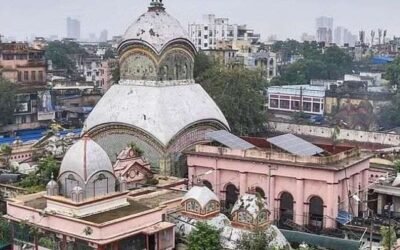
- Kalighat – West Bengal – Toes – Nakuleshwar
- Jwalamukhi – Himachal Pradesh – Tongue – Unmatta Bhairava
- Vaishno Devi – Jammu & Kashmir – Hair – Lambodara
- Hinglaj – Pakistan – Brahmarandhra – Bhima
- Srisailam (Bhramaramba) – Andhra Pradesh – Neck – Ishwara
- Kolhapur (Mahalakshmi) – Maharashtra – Eyes – Krodha Bhairava
- Ujjain (Harsiddhi) – Madhya Pradesh – Elbow – Kapali
- Chintpurni – Himachal Pradesh – Forehead – Rudra
- Kanchi Kamakshi – Tamil Nadu – Navel – Kalabhairava
- Biraja – Odisha – Navel – Jagannatha
- Manikarnika – Uttar Pradesh – Ear – Mahadeva
- Alopi Devi – Uttar Pradesh – Invisible – Vana Bhairava
- Tara Tarini – Odisha – Breasts – Brihaspati
- Tripura Sundari – Tripura – Foot – Tripuresh
- Jayanti – Meghalaya – Thigh – Kramadisha
- Mithila – Bihar – Shoulder – Mahodara
- Suchindram – Tamil Nadu – Upper jaw – Samhara
- Kanyashram – Uttarakhand – Back – Nimisha
- Guhyeshwari – Nepal – Hips – Kapali
- Ambaji – Gujarat – Heart – Batuka
- Arasavalli – Andhra Pradesh – Cheek – Janardana
- Attahas – West Bengal – Lips – Vishwesh
- Prayaga – Uttar Pradesh – Fingers – Bhava
- Sharada Peetha – Kashmir – Right hand – Shankara
- Pavagadh – Gujarat – Arm – Kalika
- Kiratshila – West Bengal – Crown – Sanghara
- Chandranath – Bangladesh – Right arm – Chandrashekhara
- Ratnavali – Tamil Nadu – Right shoulder – Amritesha
- Vimala – Odisha – Left foot – Kirttivasa
- Kalmadhav – Bihar – Left buttock – Asitanga
- Bahula – West Bengal – Left arm – Bhiruka
- Karnat – Rajasthan – Ear ornament – Abhiru
- Sugandha – Bangladesh – Nose – Tripuresha
- Nandipur – West Bengal – Necklace – Nandikesha
- Sri Sailam – Andhra Pradesh – Neck – Ishana
- Trisrota – Bengal – Left foot – Tripuresha
- Jayadurga – Odisha – Wrist – Vira
- Kapur Dhara – West Bengal – Bone – Kapali
- Ramgiri – Maharashtra – Breast – Ramnatha
- Manasa – Bengal – Mind – Daksha
- Chandrakona – West Bengal – Left knee – Chandraketu
- Devgarbha – Odisha – Uterus – Shiva
- Vaidyanath – Jharkhand – Heart – Vaidyanatha
- Mangalagauri – Bihar – Chest – Sarvananda
- Jyeshtha – Tamil Nadu – Left arm – Trilochana
- Bhadra Kali – Kerala – Cheek – Ruru
- Udyana – Odisha – Anklet – Mahakala
- Kushasthali – Goa – Teeth – Kapali
- Rameshwari – Tamil Nadu – Feet – Ramesha
- Sarvashaila – Andhra Pradesh – Whole body – Sarveshvara
Festivals and Ritual Traditions
Major festivals celebrated at Shakti Peethas include Navaratri, Durga Puja, Kali Puja, and Ambubachi Mela. Each temple follows unique rituals influenced by regional traditions, tantra practices, and ancient customs.
Why Shakti Peethas Are Spiritually Unique
- They represent living centers of Shakti energy
- Each Peetha balances feminine power and Shiva consciousness
- Together, they form a spiritual map of India
- They unite mythology, geography, and devotion
FAQs About Shakti Peetha Devi Temples
1. How many Shakti Peethas are there?
There are 51 traditionally recognized Shakti Peethas.
2. Are all Shakti Peethas in India?
Most are in India, while a few are located in Nepal, Bangladesh, Pakistan, and Sri Lanka.
3. Who is Bhairava?
Bhairava is the fierce guardian form of Lord Shiva associated with every Shakti Peetha.
4. Is visiting all Shakti Peethas mandatory?
No, even visiting one Peetha with devotion is considered spiritually rewarding.
5. Which is the most powerful Shakti Peetha?
Kamakya, Kalighat, and Vaishno Devi are among the most revered.
Conclusion
The Shakti Peetha Devi Temples are not just pilgrimage destinations—they are living embodiments of divine feminine power. Each shrine narrates a story of devotion, sacrifice, and cosmic balance. Together, the 51 Shakti Peethas form a sacred network that continues to inspire faith, strength, and spiritual awakening across generations.
Jai Maa Shakti
0 Comments