 Nirmala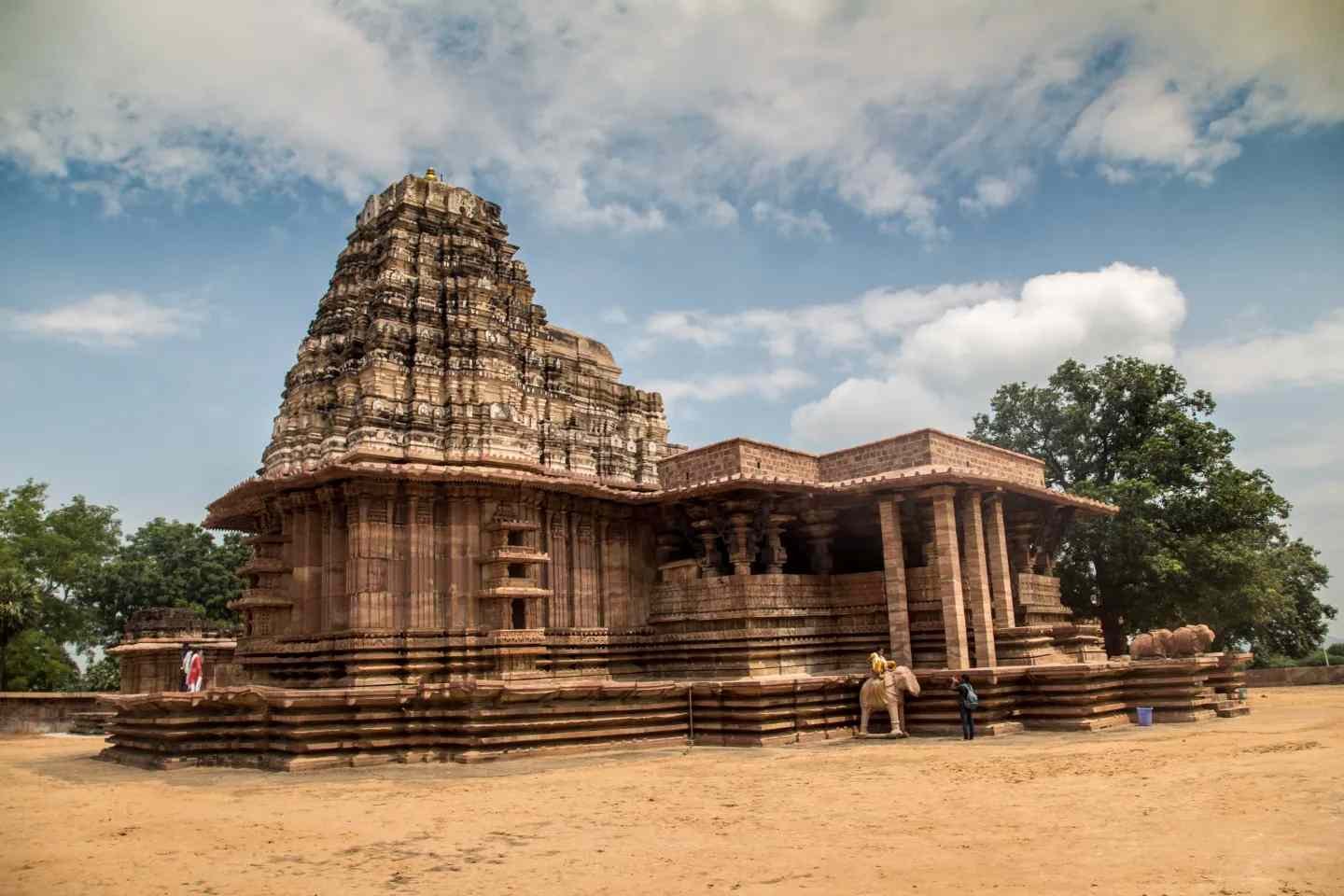
Hidden amid the scenic landscapes of Telangana’s Mulugu district lies one of India’s most extraordinary heritage monuments—the Ramappa Temple. Renowned for its breathtaking architecture, intricate stone carvings, and innovative construction techniques, this centuries-old temple continues to captivate travelers, historians, architects, and devotees alike.
Officially known as the Rudreshwara Temple, Ramappa Temple gained international recognition when UNESCO declared it a World Heritage Site in 2021. The temple is not only a place of worship but also a remarkable testament to the engineering brilliance and artistic excellence of the Kakatiya dynasty.
The Historical Legacy of Ramappa Temple
Ramappa Temple traces its origins back to the early 13th century. Construction began in 1213 CE under the patronage of the Kakatiya ruler Ganapati Deva. The project was supervised by Recharla Rudra, a prominent military commander of the Kakatiya kingdom.
What makes this temple unique is that it was named after its master sculptor, Ramappa. While most temples are named after gods or kings, Ramappa Temple stands out as one of the few monuments in India named after the artisan who contributed significantly to its creation.
Over the centuries, the temple has survived natural disasters, political upheavals, and changing dynasties, preserving much of its original beauty and structural integrity.
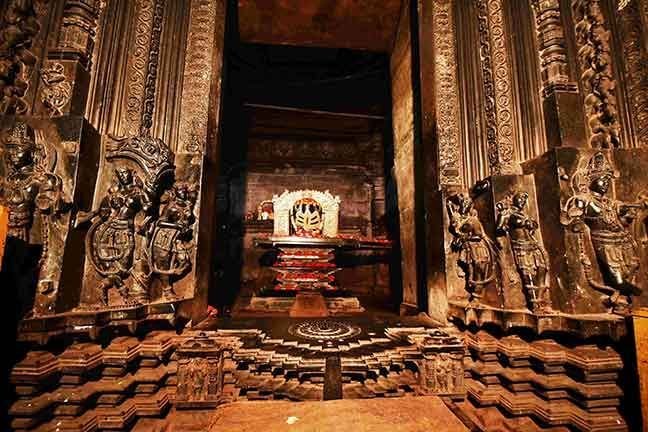
A Masterpiece of Kakatiya Architecture
The Ramappa Temple is widely regarded as one of the finest examples of Kakatiya architecture. Every section of the monument demonstrates the extraordinary skills of medieval craftsmen.
Elevated Star-Shaped Platform
The temple is built on a raised star-shaped foundation that enhances both aesthetics and stability. This distinctive layout adds elegance to the structure while showcasing the advanced planning techniques of the Kakatiya builders.
Intricate Stone Sculptures
The temple walls and pillars are adorned with detailed carvings depicting scenes from Hindu mythology, celestial dancers, musicians, animals, and floral designs.
Each sculpture reveals remarkable precision and artistic expression, making the temple a treasure trove of medieval Indian craftsmanship.
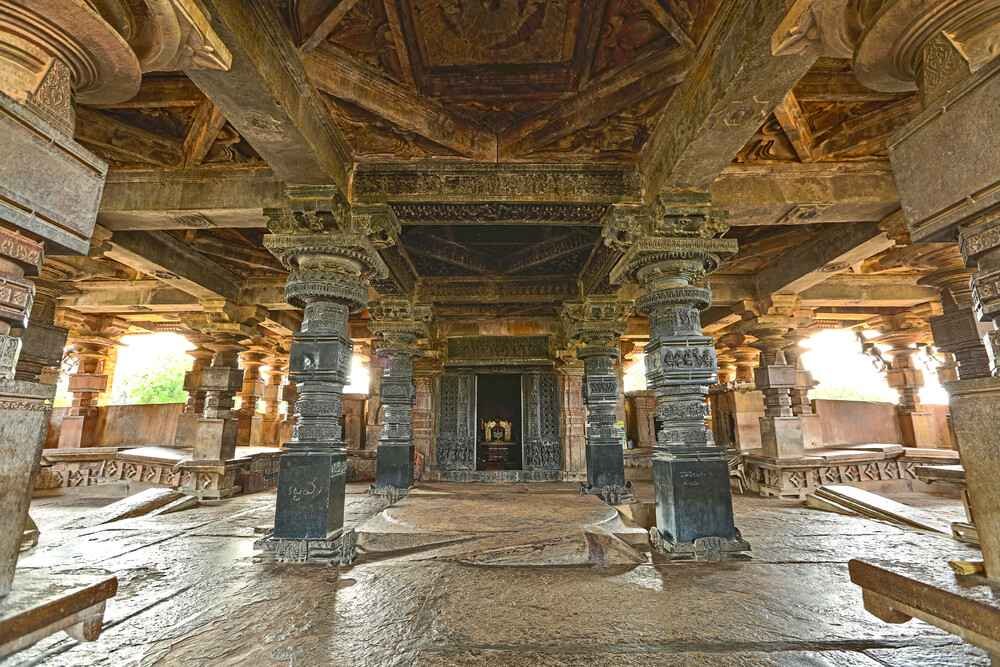
Magnificent Pillars and Mandapa
The spacious hall of the temple features beautifully carved pillars that support the structure while adding to its visual grandeur. The open mandapa served as a gathering place for devotees and cultural performances during ancient times.
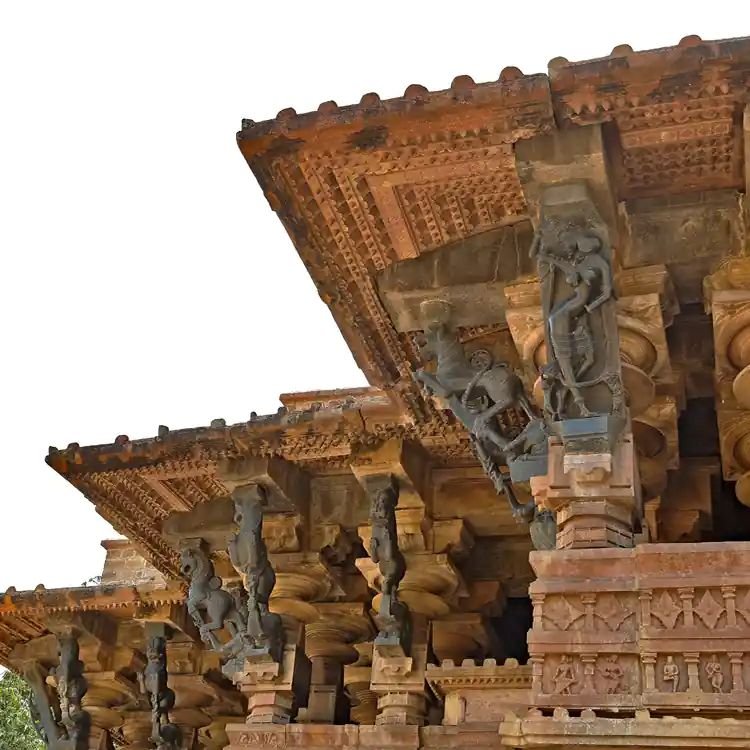
The Mystery of the Floating Bricks
One of the most fascinating features of Ramappa Temple is the use of lightweight porous bricks in the construction of the temple roof.
These bricks are significantly lighter than conventional bricks and are often referred to as “floating bricks” because they can float on water. Their use reduced the overall weight of the structure and contributed to the temple’s resilience over the centuries.
This innovative technique demonstrates the advanced engineering knowledge possessed by Kakatiya architects long before modern construction technologies emerged.
Spiritual Importance of the Temple
Ramappa Temple is dedicated to Lord Shiva, worshipped here in the form of Rudreshwara. The sanctum houses a sacred Shiva Lingam that attracts devotees from various parts of Telangana and neighboring states.
Religious ceremonies, special prayers, and festivals are conducted throughout the year, with Maha Shivaratri being one of the most important celebrations observed at the temple.
The peaceful atmosphere and spiritual energy make it an ideal destination for both worshippers and seekers of tranquility.
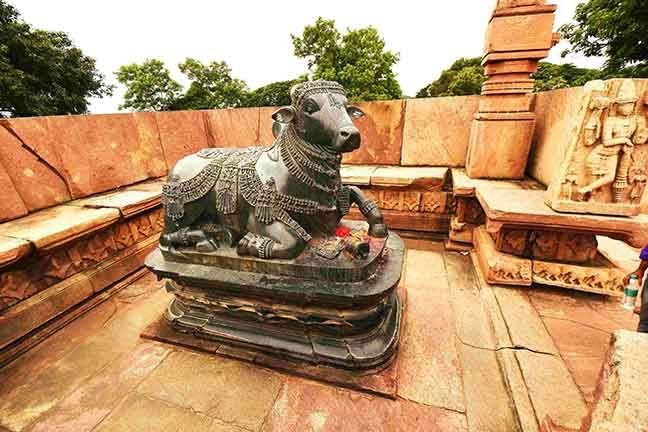
UNESCO World Heritage Recognition
In July 2021, UNESCO included the Kakatiya Rudreshwara (Ramappa) Temple in its prestigious World Heritage List.
The recognition was awarded due to the temple’s exceptional cultural value, architectural innovation, and outstanding preservation of Kakatiya artistic traditions.
This achievement placed Ramappa Temple among the world’s most significant cultural landmarks and further strengthened Telangana’s position on the global tourism map.
Best Time to Visit Ramappa Temple
Visitors can explore the temple throughout the year, but the most comfortable season is between October and February.
During these months, the weather remains pleasant, making it ideal for sightseeing and photography. The surrounding greenery after the monsoon season further enhances the beauty of the temple complex.
Early morning and late afternoon visits offer the best lighting conditions for photography enthusiasts.
How to Reach Ramappa Temple
By Air
The nearest airport is Rajiv Gandhi International Airport in Hyderabad, which is well connected to major Indian cities.
By Train
Warangal Railway Station serves as the nearest major railhead and provides convenient access to the temple.
By Road
The temple is easily accessible by road from Hyderabad, Warangal, Hanamkonda, and nearby towns. State-run buses and private taxis operate regularly to the region.
Places to Explore Nearby
A visit to Ramappa Temple can be combined with several nearby attractions:
Ramappa Lake
A beautiful man-made lake built during the Kakatiya era, offering scenic views and peaceful surroundings.
Laknavaram Lake
Known for its suspension bridge and picturesque setting, Laknavaram Lake is a favorite destination among nature lovers.
Warangal Fort
This historic fort reflects the grandeur of the Kakatiya Empire and provides valuable insights into Telangana’s history.
Thousand Pillar Temple
Another architectural marvel showcasing the artistic excellence of the Kakatiya period.
Why Ramappa Temple Should Be on Your Travel List
Ramappa Temple offers much more than ancient architecture. It combines spirituality, history, engineering, and art in a single destination. Whether you are a devotee seeking blessings, a photographer searching for unique subjects, or a traveler exploring India’s heritage, the temple provides an enriching and memorable experience.
Its UNESCO status, unique floating bricks, stunning sculptures, and rich cultural heritage make it one of Telangana’s most iconic landmarks.
Conclusion
Ramappa Temple stands as a proud reminder of India’s glorious architectural and cultural legacy. Built more than 800 years ago, the monument continues to inspire visitors with its timeless beauty and remarkable craftsmanship.
A visit to this UNESCO World Heritage Site is not merely a journey to a temple; it is an opportunity to witness the ingenuity, artistry, and spiritual devotion that shaped one of the finest monuments of medieval India.