 Nirmala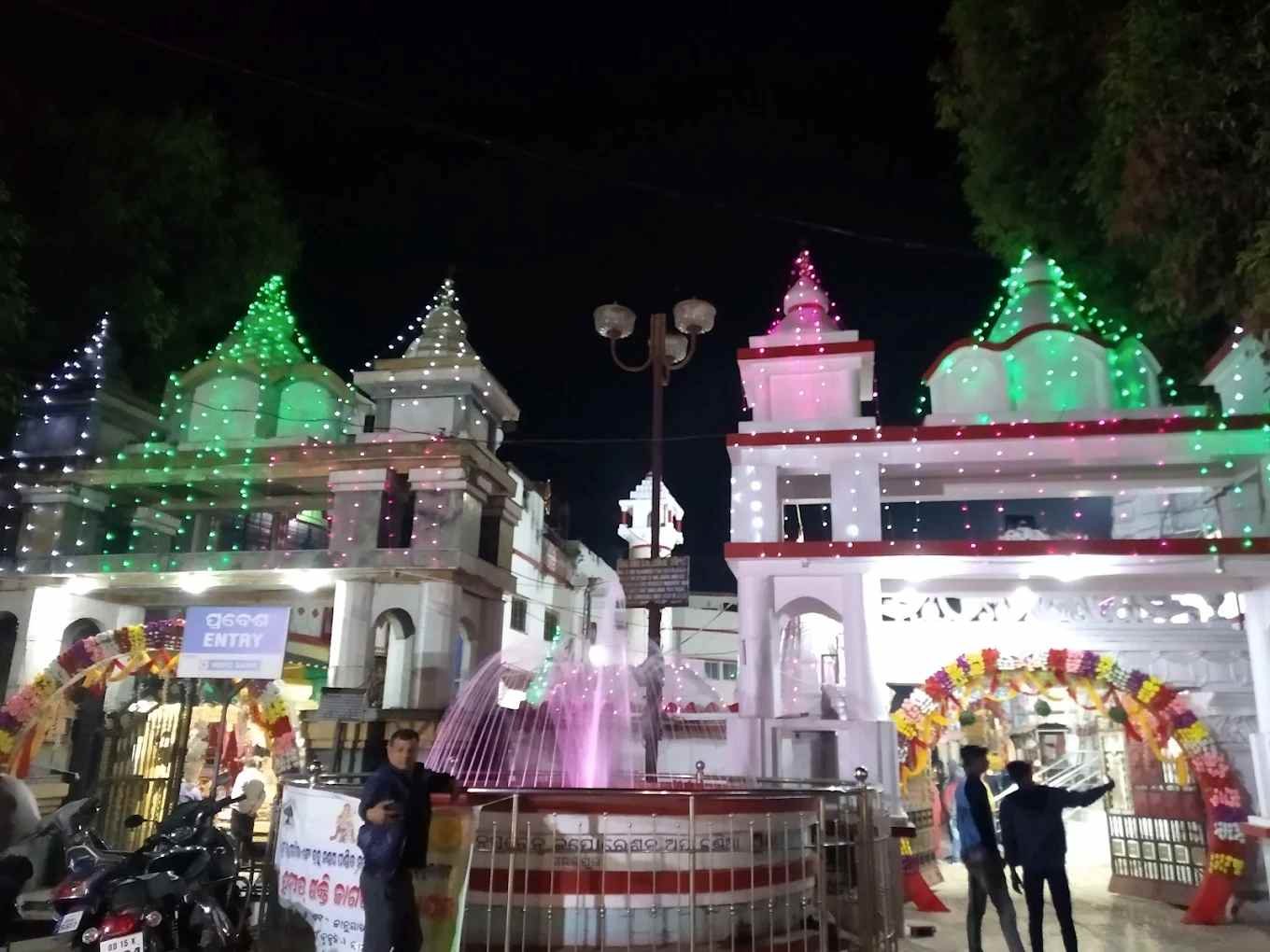
In the vibrant cultural landscape of Odisha, few temples command as much reverence as Maa Samaleswari Temple in Sambalpur. Dedicated to Goddess Samaleswari, the temple has been a beacon of faith and devotion for centuries. Beyond its religious importance, the shrine serves as a cultural landmark that reflects the traditions, beliefs, and heritage of Western Odisha.
Pilgrims from different parts of India visit this sacred destination to seek divine blessings, while history enthusiasts and travelers come to admire its spiritual atmosphere and historical significance. A visit to Maa Samaleswari Temple offers much more than a religious experience—it provides a glimpse into the soul of Sambalpur.
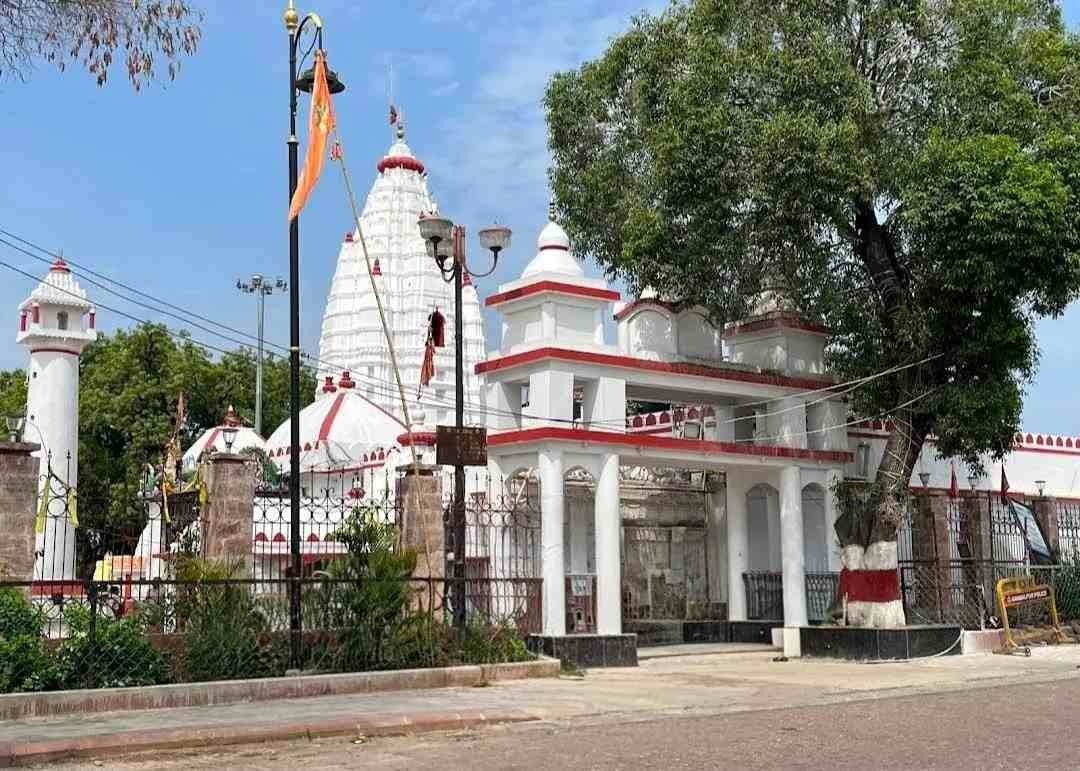
The Divine Mother of Western Odisha
Maa Samaleswari is worshipped as the presiding deity of Sambalpur and is regarded as the guardian goddess of Western Odisha. Devotees believe that she protects her followers from difficulties and blesses them with prosperity, courage, and peace.
The goddess enjoys a unique place in the hearts of local communities. From farmers and traders to students and families, people from all walks of life seek her blessings before beginning important endeavors. As a result, the temple remains an integral part of daily life in the region.
Historical Significance of the Temple
The origins of Maa Samaleswari worship are believed to date back several centuries. Historians suggest that the deity was originally worshipped by indigenous communities inhabiting the region. Over time, the popularity of the goddess expanded, eventually becoming central to the religious identity of Sambalpur.
The temple gained prominence during the rule of local kings who supported the development of religious institutions. Their patronage helped transform the shrine into a major pilgrimage destination.
Today, the temple stands as a living testament to Odisha’s enduring spiritual traditions and cultural continuity.
A Unique Form of Worship
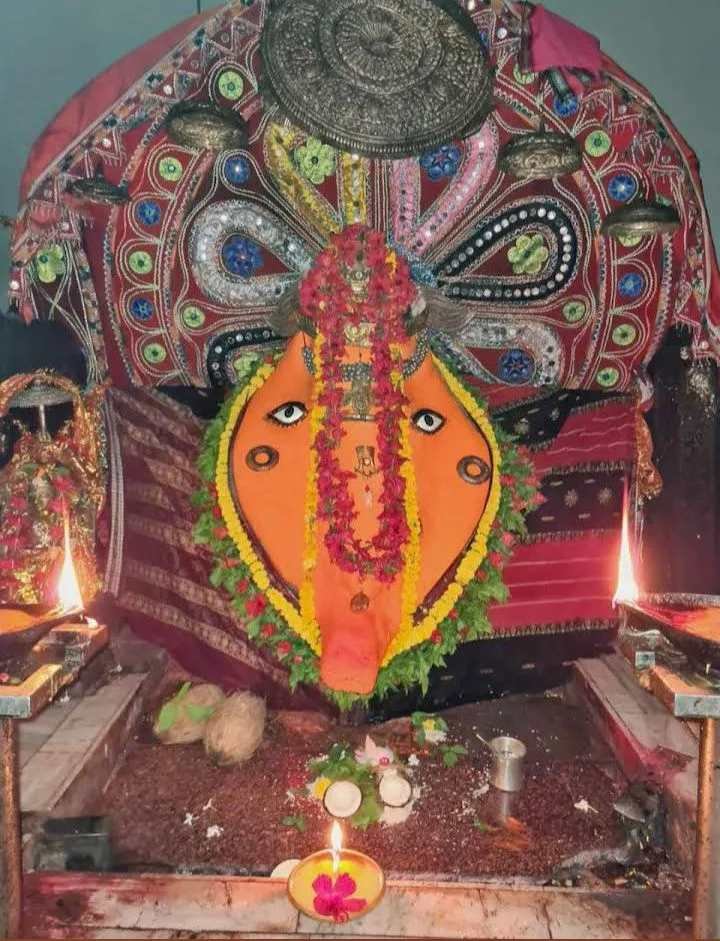
One of the most distinctive aspects of Maa Samaleswari Temple is the representation of the goddess. Unlike many temples where deities appear in elaborate sculpted forms, Maa Samaleswari is worshipped in a symbolic and sacred form that reflects ancient traditions.
This unique style of worship connects modern devotees with centuries-old spiritual practices. Furthermore, it highlights the harmonious blend of tribal customs and mainstream Hindu traditions that characterize the region’s cultural identity.
Architecture and Temple Complex
Although the temple is primarily known for its spiritual significance, its architecture also deserves attention. The shrine displays elements of traditional Odishan temple design while maintaining a simple and welcoming appearance.
The temple complex includes:
- The main sanctum dedicated to Maa Samaleswari
- Prayer halls for devotees
- Open spaces for festivals and religious gatherings
- Subsidiary shrines dedicated to other deities
- Well-maintained pathways and visitor facilities
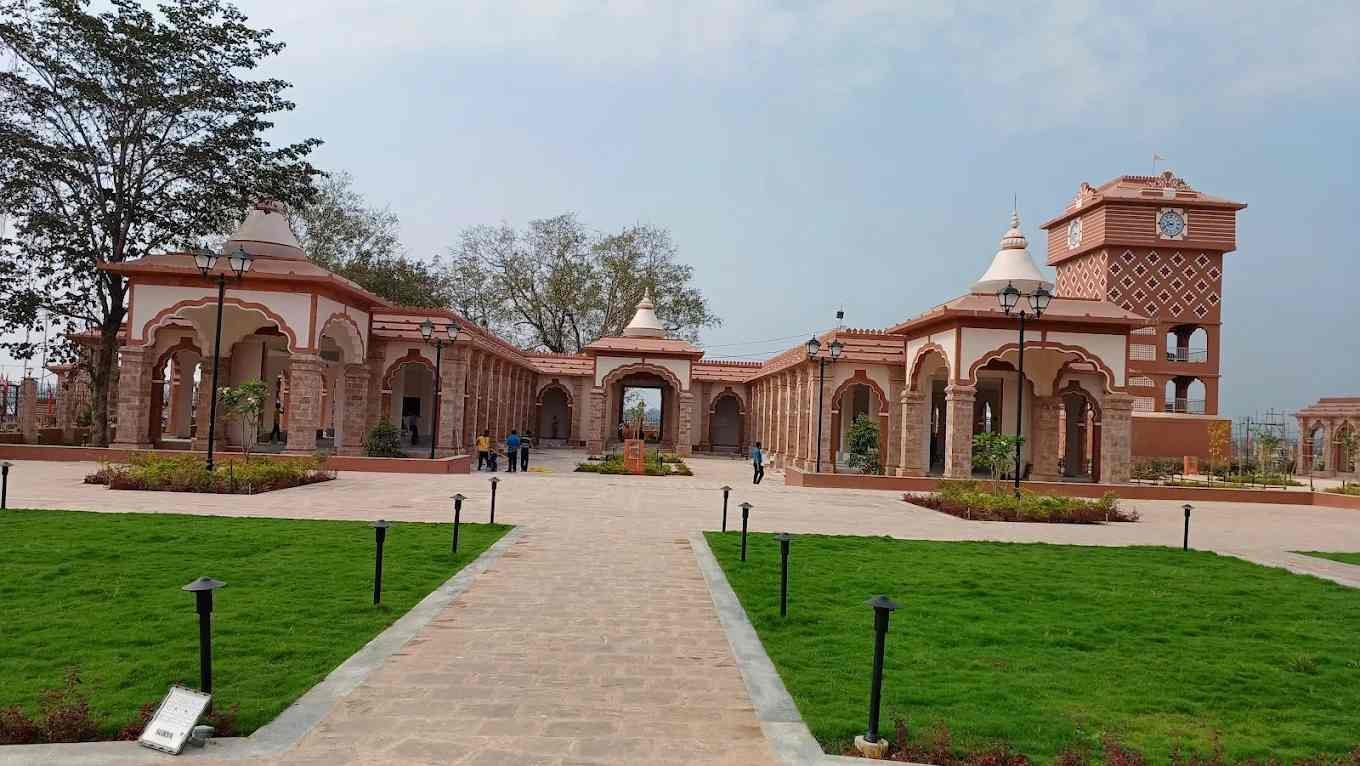
In recent years, the development of the Samaleswari Temple Area Management and Local Economic Initiatives (SAMALEI) project has enhanced the surroundings, making the pilgrimage experience more comfortable and visually appealing.
Festivals That Bring the Temple to Life
Festivals play a vital role in the temple’s annual calendar. During these celebrations, the temple transforms into a center of devotion, music, and cultural activities.
Nuakhai
Nuakhai is the most celebrated festival associated with Maa Samaleswari. Observed after the harvest season, it symbolizes gratitude to the goddess for agricultural prosperity.
Families gather to offer newly harvested crops to Maa Samaleswari before consuming them. Consequently, the festival strengthens community bonds and preserves regional traditions.
Navratri
Navratri attracts thousands of devotees who participate in special rituals, prayers, and cultural programs. Throughout the nine days, the temple witnesses an atmosphere of devotion and celebration.
Durga Puja and Mahalaya
During these important occasions, devotees worship Maa Samaleswari as a manifestation of Goddess Durga. The temple becomes beautifully decorated, and special ceremonies take place to honor the divine mother.
The Cultural Heart of Sambalpur
The influence of Maa Samaleswari extends far beyond religion. In fact, the goddess has become a cultural symbol of Sambalpur and Western Odisha.
Many local traditions, folk songs, and community events revolve around the blessings of Samalei Maa. Moreover, the temple contributes significantly to preserving the region’s heritage and identity.
For residents, the goddess represents not only divine protection but also a shared cultural legacy that unites generations.
Best Time to Visit Maa Samaleswari Temple
Although the temple welcomes visitors throughout the year, some seasons offer a more enriching experience.
Winter Season
From October to February, the weather remains pleasant and ideal for temple visits.
Festival Periods
Travelers who wish to witness the temple’s vibrant atmosphere should consider visiting during Nuakhai, Navratri, or Durga Puja.
Early Morning Visits
Morning hours provide a peaceful environment for darshan and meditation, allowing visitors to experience the temple’s spiritual charm without large crowds.
How to Reach Maa Samaleswari Temple
By Air
The nearest airport is Veer Surendra Sai Airport in Jharsuguda, which offers regular connectivity to major Indian cities.
By Train
Sambalpur Railway Station is well-connected to important destinations including Bhubaneswar, Kolkata, Raipur, Hyderabad, and Delhi.
By Road
Excellent road networks connect Sambalpur with nearby cities and towns. Visitors can travel comfortably by bus, taxi, or private vehicle.
Attractions Near Maa Samaleswari Temple
Travelers can combine their temple visit with several nearby attractions:
Hirakud Dam
A remarkable engineering marvel and one of the world’s longest earthen dams.
Huma Temple
Famous for its leaning structure dedicated to Lord Shiva.
Debrigarh Wildlife Sanctuary
An excellent destination for wildlife enthusiasts and nature lovers.
Ghanteswari Temple
A serene riverside shrine known for its spiritual atmosphere.
Why Maa Samaleswari Temple Should Be on Your Travel List
Maa Samaleswari Temple offers a perfect blend of spirituality, history, and culture. Unlike many tourist destinations that focus on a single aspect, this sacred site provides visitors with a complete experience.
Whether you seek divine blessings, wish to learn about Odisha’s traditions, or simply want to spend time in a peaceful environment, the temple offers something meaningful for every traveler.
Conclusion
Maa Samaleswari Temple continues to inspire devotion among millions of followers. As one of the most important spiritual landmarks in Odisha, the temple preserves centuries of tradition while welcoming visitors from around the world.
Its rich history, cultural significance, and sacred atmosphere make it a must-visit destination in Sambalpur. Above all, the temple stands as a timeless reminder of faith, community, and the enduring power of devotion.
Frequently Asked Questions
Where is Maa Samaleswari Temple located?
The temple is located in Sambalpur, Odisha, near the banks of the Mahanadi River.
Why is Maa Samaleswari important?
She is worshipped as the guardian deity of Western Odisha and is deeply connected with the region’s culture and traditions.
Which festival is most important at the temple?
Nuakhai is the most significant festival celebrated at Maa Samaleswari Temple.
What is the best time to visit?
October to February offers pleasant weather, while festival seasons provide a unique cultural experience.
How can I reach Maa Samaleswari Temple?
Visitors can reach the temple by air through Jharsuguda Airport, by train via Sambalpur Railway Station, or by road from major cities in Odisha.
Are there tourist attractions near the temple?
Yes. Popular nearby attractions include Hirakud Dam, Huma Temple, Debrigarh Wildlife Sanctuary, and Ghanteswari Temple.